Registered Veterinary Technician (RVT / CVT / LVT) Resume: Ultimate Guide, 500+ Line Examples, Formats & 100+ Keyword Templates
A Registered Veterinary Technician (RVT / CVT / LVT) resume must highlight expertise in anesthesia induction/monitoring, IV catheter placement, venipuncture, digital dental radiography, dental prophylaxis extractions assist, surgical nursing, pharmacology dosage calculations, laboratory diagnostic analysis (CBC, chemistry, cytology), radiology positioning, critical care nursing, and VTNE board certification.
Veterinary Clinical Nursing & Surgery encompass endotracheal intubation, fluid therapy administration, anesthetic depth monitoring (capnography, ECG, NIBP, SpO2), sterile surgical assisting, wound management, emergency CPR execution, and EMR medical record charting (Cornerstone, AVImark).
Credentials & Board Licensure feature State RVT / CVT / LVT License, VTNE (Veterinary Technician National Exam) Completion, Fear Free Certified Veterinary Professional (FFCP), RECOVER CPR Certification (VETS / ACVECC), and NAVTA Specialty (VTS) Accreditations.
Key Metrics & Performance demonstrate monitoring 600+ anesthetic surgical procedures annually with zero anesthetic complications, placing 1,200+ IV catheters with a 98% first-stick success rate, conducting 300+ dental prophylaxis procedures, and mentoring 5 junior vet assistants.
Veterinary Hospital Directors, Practice Managers, and Medical Staff Directors review candidate RVT CVs for active state license status, anesthesia troubleshooting experience, dental skills, and clinical leadership capabilities.
This ultimate master guide details the complete Registered Veterinary Technician resume strategy: ATS formatting standards, key skills matrix with 100+ keywords, 4 professional summary examples, 25+ copy-ready metric bullet points, cover letter template, interview prep, salary benchmarks, and 5 detailed FAQs.
Veterinary Technology & Clinical Nursing Industry Outlook
Registered Veterinary Technicians (RVT, CVT, LVT, LVMT) serve as the skilled nurses of veterinary medicine, performing vital diagnostic tests, anesthesia management, surgical nursing, and intensive care. Demand for credentialed vet techs is experiencing unprecedented growth across small animal general practices, 24/7 emergency centers, and specialty referral hospitals.
Modern specialty practices prioritize RVTs certified in RECOVER veterinary CPR, advanced dental radiograph interpretation, point-of-care ultrasound assistance, and specialized EMR software (Cornerstone, IDEXX Neo).
To earn top RVT ($45,000 – $60,000) or Lead Technician / VTS Specialist positions ($62,000 – $80,000+), your resume must emphasize state license credentials, VTNE scores, anesthetic procedure volumes, IV stick accuracy rates, and team leadership.
What Does a Registered Veterinary Technician Do? Core Responsibilities
A Registered Veterinary Technician performs advanced clinical nursing, anesthetic management, diagnostic laboratory testing, surgical assistance, and client care under DVM supervision. Primary duties include:
- Inducing anesthesia, performing endotracheal intubation, and monitoring physiological parameters (capnography ETCO2, ECG, NIBP, SpO2, body temperature) during surgeries.
- Placing peripheral IV catheters (cephalic, saphenous) and central lines with a 98% first-stick success rate.
- Performing canine and feline dental prophylaxis, full-mouth digital dental radiographs, and assisting DVMs with surgical tooth extractions.
- Calculating precise drug dosages for constant rate infusions (CRI), induction agents, analgesics, and emergency resuscitative medications.
- Operating in-house laboratory equipment (IDEXX VetLab), performing manual blood differentials, urine sediment analysis, cytologies, and blood cross-matching.
- Positioning patients for diagnostic digital radiography (X-rays) and assisting DVMs with abdominal/thoracic ultrasound exams.
- Scrubbing and sterile assisting during orthopedic, soft tissue, and emergency surgeries (GDV, foreign body removal, C-section).
- Managing ICU critical care patients, monitoring mechanical ventilation, arterial lines, chest tubes, and tracheostomy care.
- Executing RECOVER CPR emergency protocols during cardiac or respiratory arrest events.
- Logging controlled substances in strict compliance with DEA regulations and maintaining Cornerstone EMR medical charting.
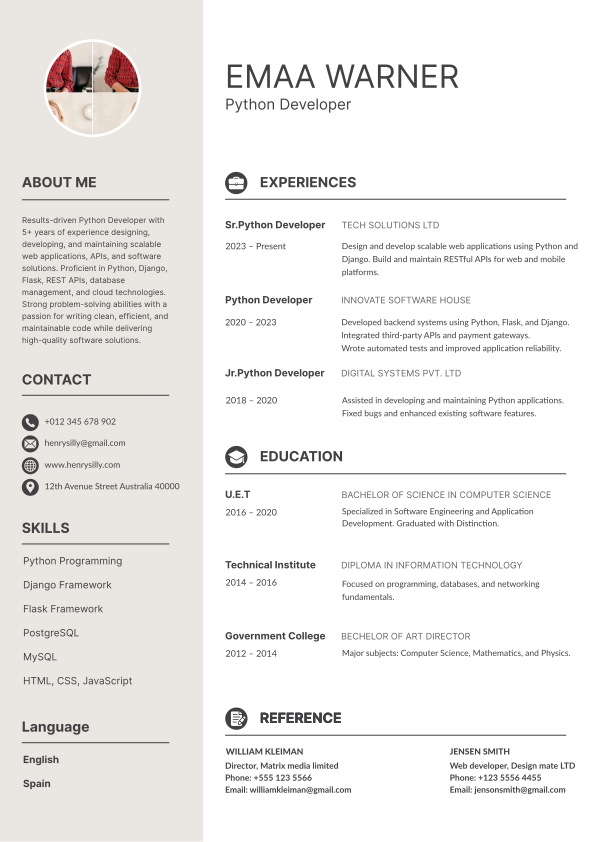
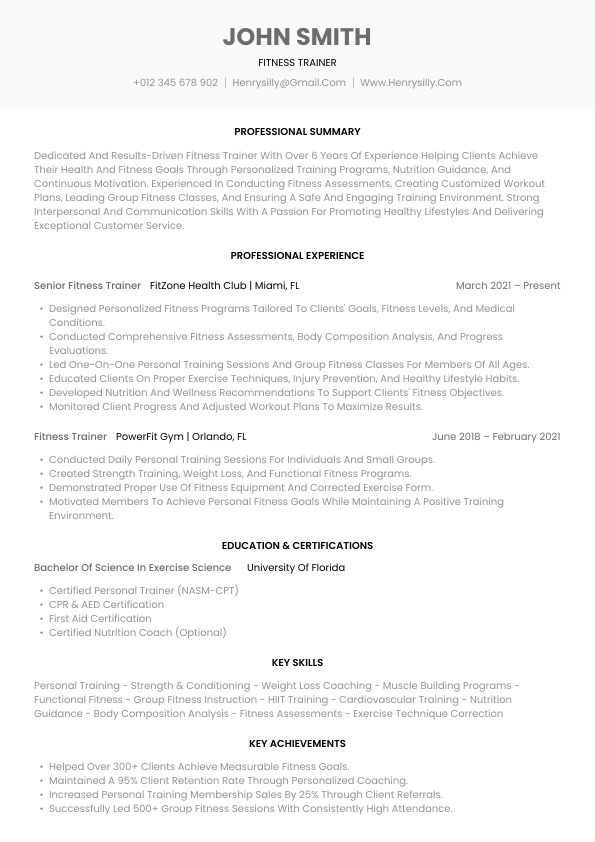
ATS-Optimized Registered Veterinary Technician Resume Template

How to Format a Registered Veterinary Technician Resume
Hospital Directors, RVT Lead Managers, and Medical Recruiters review Vet Tech resumes for state license status, VTNE verification, anesthesia skills, and diagnostic capabilities:
- Header Credentials: Title (e.g. Registered Veterinary Technician | RVT | VTNE Certified | Anesthesia & Dental Specialist | 600+ Surgeries/Yr).
- Licensure & Certifications Box: State License # (RVT/CVT/LVT), VTNE Pass Date, RECOVER CPR, and Fear Free certs placed prominent near top.
- Clinical Nursing Skills Matrix: Explicitly outline anesthesia intubation, IV catheter sticks, dentistry, cytology, and drug CRI math.
- Quantified Procedure Metrics: Highlight annual surgeries monitored (600+), IV catheter success rate (98%), and dental cleans (300+).
- Practice Software: List Cornerstone, AVImark, eVetPractice, IDEXX Neo, and SmartFlow.
- Clean Layout: Standard fonts (Arial, Inter), clean bullet points, 10–11pt body text, and distinct section headers.
Key Veterinary Technician Skills Matrix (100+ Core Keywords)
Anesthesia, Surgery & Dental Nursing
- Anesthetic Induction & Endotracheal Intubation
- Multi-Parameter Monitoring (Capnography, ECG, NIBP, SpO2)
- Constant Rate Infusion (CRI) Drug Dosage Calculations
- IV Catheter Placement (Cephalic, Saphenous, Jugular)
- Sterile Surgical Assisting & Scrub Technique
- Dental Prophylaxis & Full-Mouth Digital Radiographs
- Surgical Tooth Extraction Assistance
- Anesthetic Machine Maintenance & Leak Testing
- Post-Operative Analgesia & Recovery Monitoring
- RECOVER Veterinary CPR & Emergency Resuscitation
Diagnostics, Lab & Radiology
- IDEXX VetLab In-House Laboratory Analyzers
- Manual Blood Smear Differential & Cytology
- Urinalysis Sediment Analysis & Fecal Diagnostics
- Digital Radiography Positioning & Exposure Math
- Point-of-Care FAST Ultrasound Scanning Assistance
- Blood Transfusion & Cross-Matching Protocols
Licensure, Software & Compliance
- Active State RVT / CVT / LVT License
- VTNE (Veterinary Technician National Exam) Certification
- Cornerstone, SmartFlow & AVImark EMR Software
- DEA Controlled Substance Record Compliance
Specializations & Training
- RECOVER Certified Rescuer (BLS / ALS CPR)
- Fear Free Certified Veterinary Professional (FFCP)
- AAFP Cat Friendly Practice Clinical Handling
- Mentoring Junior Vet Assistants & Interns
Registered Veterinary Technician Resume Summary Examples
Example 1: Experienced Lead RVT (Anesthesia & Surgery)
Licensed Registered Veterinary Technician (RVT) with 6+ years of clinical experience in high-volume surgical and general practices. Expert in anesthesia induction, intubation, multi-parameter capnography monitoring, CRI dosage math, and digital dentistry. Monitored 600+ surgical procedures annually with zero anesthetic complications; licensed and VTNE-certified.
Example 2: Emergency & Critical Care RVT
RECOVER-Certified Emergency Veterinary Technician (CVT) with 5+ years in 24/7 specialty ER trauma centers. Skilled in central line placement, mechanical ventilation monitoring, blood transfusions, and RECOVER CPR resuscitation. Places IV catheters with a 98% first-stick success rate.
Example 3: General Practice Veterinary Technician
Dedicated Licensed Veterinary Technician (LVT) with 4+ years in companion animal general practice. Proficient in performing 300+ annual dental prophylaxis cleanings, IDEXX lab differentials, digital radiology, and Cornerstone EMR medical charting. Fear Free certified.
Example 4: Veterinary Technician Specialist (VTS candidate)
Highly specialized Registered Veterinary Technician with 8+ years experience preparing for VTS (Anesthesia/Analgesia) certification. Leads clinical nursing teams, conducts in-house CE training, and manages DEA controlled substance logs flawlessly.
25+ Work Experience Bullet Points with Metrics
Anesthesia, Surgery & Dentistry
- Induced and monitored anesthesia for 600+ surgical and dental procedures annually using capnography, ECG, NIBP, and SpO2 with zero anesthetic mortality.
- Placed 1,200+ peripheral IV catheters (cephalic, saphenous) annually with a 98% first-stick success rate.
- Performed 300+ dental prophylaxis procedures per year, obtaining full-mouth digital radiographs and assisting DVMs with surgical tooth extractions.
- Calculated precise drug dosages and constant rate infusions (CRI) for fentanyl, ketamine, and propofol under DVM supervision.
- Scrubbed and sterile-assisted in 150+ soft tissue and emergency orthopedic surgeries (GDV, enterotomy, cystotomy).
Diagnostics, Laboratory & Critical Care
- Operated IDEXX VetLab analyzers, performing 800+ manual blood differentials, urine sediment examinations, and cytology stainings.
- Positioned animal patients for 1,500+ digital radiographic exposures while adhering to radiation safety protocols.
- Executed RECOVER CPR protocols during 25+ cardiac arrest emergencies, leading chest compressions and airway ventilation.
- Managed ICU patients requiring blood transfusions, oxygen cage therapy, and continuous EMR progress logging in SmartFlow.
Hospital Operations & Mentorship
- Supervised and mentored a clinical team of 5 junior veterinary assistants and 2 tech interns in anesthesia protocols.
- Maintained strict DEA Schedule II–V controlled substance logbooks with 100% legal audit compliance.
- Educated pet parents on post-operative surgical wound care, physical rehabilitation exercises, and pain medication schedules.
Certifications & Education
Active State Registered / Certified Veterinary Technician (RVT / CVT / LVT)
State Board of Veterinary Medical Examiners | License #RVT-80214 | Active
Veterinary Technician National Examination (VTNE)
AAVSB National Board | Passed 2019
RECOVER Certified Veterinary CPR Rescuer (BLS & ALS)
RECOVER Initiative / ACVECC | Certified 2023
Associate of Applied Science (AAS) in Veterinary Technology
AVMA-CVTEA Accredited College | Graduated 2019
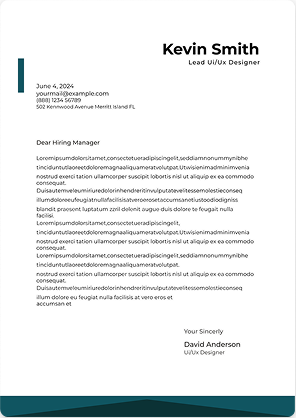
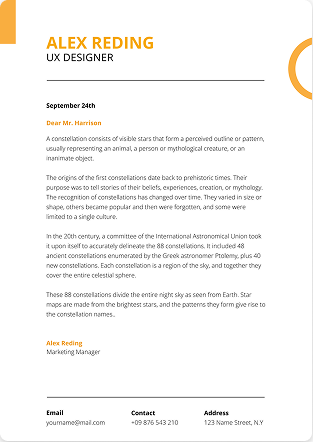
Registered Veterinary Technician Cover Letter Template
Dear Hospital Director & RVT Manager,
I am writing to express my enthusiastic interest in the Lead Registered Veterinary Technician position at your hospital. As a licensed RVT with over 6 years of clinical experience in high-volume surgery and emergency nursing, I am committed to delivering advanced anesthetic care, diagnostic precision, and compassionate patient advocacy.
In my current role, I monitor 600+ anesthetic procedures annually with zero complications, place IV catheters with a 98% first-stick success rate, and perform 300+ dental prophylaxis cleanings. I am RECOVER CPR certified, Fear Free certified, and proficient in Cornerstone and SmartFlow software.
I hold an active state RVT license and VTNE credentials. I look forward to bringing my clinical nursing skills and mentorship experience to your veterinary team.
Thank you for your time and consideration.
Sincerely,
[Your Name], RVT
Registered Veterinary Technician
Veterinary Technician Interview Preparation & Top Questions
Q: How do you troubleshoot sudden hypotension (low MAP) in an anesthetized patient?
Answer Strategy: Detail reducing inhalant anesthetic percentage, giving a warm IV crystalloid fluid bolus, evaluating anesthetic depth, checking cuff sizing, and notifying the DVM for pressor medication approval if hypotension persists below 60 mmHg MAP.
Q: What steps do you take when performing RECOVER CPR on a dog in cardiac arrest?
Answer Strategy: Explain starting high-quality chest compressions immediately at 100-120 bpm in lateral recumbency, placing an endotracheal tube to deliver 10 breaths/min with oxygen, connecting ECG, and administering epinephrine/atropine per DVM direction every 3-5 minutes.
Salary Benchmarks & Career Path
Compensation for Registered Veterinary Technicians varies by license state, emergency/specialty shift differentials, and VTS certification:
- Entry-Level RVT / CVT / LVT: $38,000 – $46,000 / year
- Experienced General Practice RVT: $48,000 – $60,000 / year
- Emergency / ICU Lead RVT / VTS Specialist: $62,000 – $82,000+ / year
Frequently Asked Questions (FAQ) – 5 Core Career Questions
Q1: How should I list state licensure on an RVT resume?
Include "RVT", "CVT", or "LVT" after your name in the main header and list your State License Number, VTNE pass year, and license expiration date in a prominent Credentials section.
Q2: What clinical metrics add the most power to a Vet Tech CV?
Include annual surgeries monitored (600+), IV catheter stick success rate (98%), dental cleans completed (300+), and zero anesthetic complication records.
Q3: Is RECOVER CPR certification important for veterinary technicians?
Yes, RECOVER CPR certification is the official standardized veterinary CPR credential recognized by emergency specialty centers nationwide.
Q4: What veterinary software programs should an RVT list?
List Cornerstone, SmartFlow, AVImark, eVetPractice, IDEXX Neo, and Dexis Digital Imaging.
Q5: What is the career progression path for a Registered Veterinary Technician?
RVT ($48k) advances to Emergency/ICU Tech ($58k), Lead RVT / Clinical Supervisor ($68k), Veterinary Technician Specialist / VTS ($78k+), or Practice Manager ($85k+).