Marine Mammal Trainer Resume: Ultimate Guide, 500+ Line Examples, Formats & 100+ Keyword Templates
A Marine Mammal Trainer resume must highlight expertise in operant conditioning, positive reinforcement techniques, animal behavior management, environmental enrichment design, marine species husbandry (dolphins, sea lions, seals, sea otters, belugas), water quality monitoring, public educational presentation, and strict USDA APHIS Marine Mammal Protection Act compliance.
Animal Husbandry & Behavioral Training encompass target training, stationing, voluntary medical behaviors (blood draws, ultrasound positioning, blowhole sampling, eye exams), husbandry record keeping (ZIMS / Tracks), diet preparation, fish sorting/thawing, and nutritional supplementation.
Certifications & Safety Protocols include SCUBA Diving Certification (PADI / NAUI Open Water & Rescue Diver), CPR / First Aid / AED certification, Swim Test Mastery, Life Support Systems (LSS) operations, and emergency animal transport procedures.
Key Metrics & Facility Performance demonstrate conducting 450+ annual live public presentations, managing care for 14+ marine mammals, training 30+ voluntary veterinary health behaviors, achieving 99.5% husbandry compliance, and maintaining zero water safety violations.
Aquarium Curators, Zoological Directors, and Marine Science Recruiters look for candidate resumes that emphasize operant conditioning principles, hands-on species experience, SCUBA rescue diving credentials, and clear public communication abilities.
This comprehensive master guide provides the complete Marine Mammal Trainer resume strategy: ATS formatting standards, key skills matrix with 100+ keywords, 4 professional summary examples, 25+ quantified achievement bullet points, cover letter template, interview prep, salary benchmarks, and 5 detailed FAQs.
Marine Mammal Care & Zoological Industry Outlook
Marine Mammal Trainers operate in accredited aquariums, oceanariums, zoological parks, marine research institutes, and wildlife rescue/rehabilitation centers. They oversee animal welfare, conduct training sessions, and educate the public on ocean conservation.
Modern zoological facilities prioritize positive reinforcement operant conditioning, voluntary medical training, and interactive educational shows. Trainers with strong SCUBA certifications, animal health knowledge, and ZIMS record-keeping experience have a competitive edge.
To secure competitive Assistant Trainer ($38,000 – $48,000) or Senior Trainer / Assistant Curator roles ($55,000 – $75,000+), your resume must highlight voluntary medical training milestones, SCUBA credentials, AZA/IMATA standards compliance, and public speaker experience.
What Does a Marine Mammal Trainer Do? Core Responsibilities
A Marine Mammal Trainer applies behavioral psychology to train, exercise, feed, and manage marine species while maintaining clean and safe habitat environments. Primary duties include:
- Executing daily operant conditioning sessions utilizing bridge signals (whistles, hand targets, tactile cues) and positive reinforcement.
- Conditioning voluntary medical behaviors including chuff/blowhole sampling, ultrasound positioning, body inspections, and voluntary blood draws.
- Preparing daily dietary requirements by inspecting, sorting, and thawing 200+ lbs of restaurant-quality fish (capelin, herring, squid).
- Designing cognitive environmental enrichment devices (EEDs) to promote natural foraging and physical activity.
- Narrating and performing 450+ annual educational presentations and interactive public guest encounters for audiences up to 3,000 guests.
- Maintaining detailed daily behavioral logs, food consumption data, and medical progress records in ZIMS / Tracks software.
- Performing habitat maintenance, water quality testing (salinity, pH, chlorine, bacterial levels), and SCUBA tank cleaning routines.
- Assisting staff veterinarians with diagnostic exams, medication administration, and emergency animal care interventions.
- Complying with USDA APHIS Animal Welfare Act, Marine Mammal Protection Act (MMPA), and AZA accreditation standards.
- Mentoring intern trainers and supervising volunteer animal care teams during daily habitat shifts.
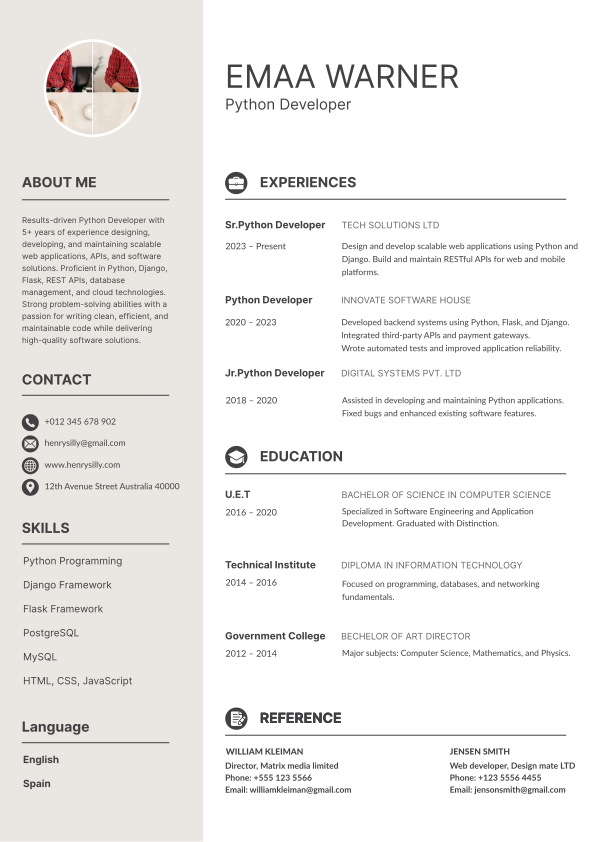
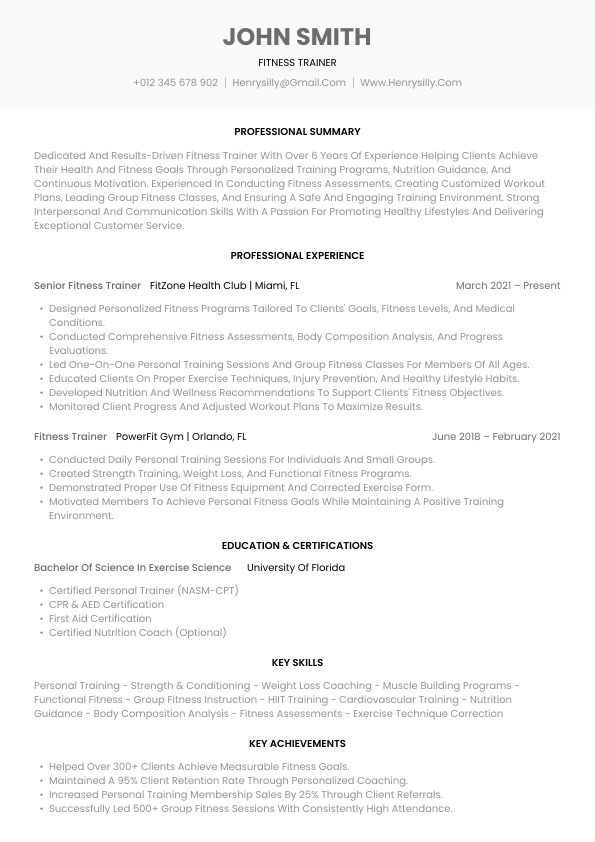
ATS-Optimized Marine Mammal Trainer Resume Template
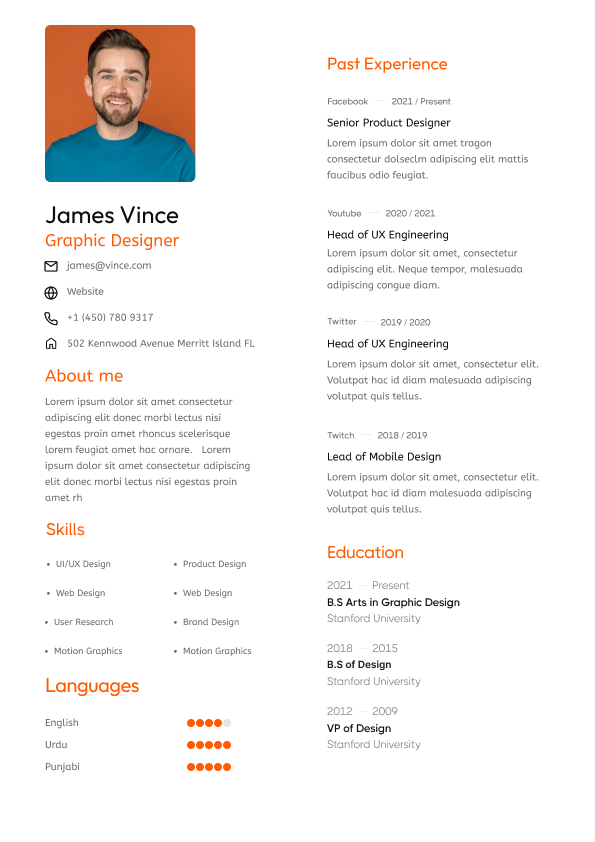
How to Format a Marine Mammal Trainer Resume
Aquarium Hiring Managers look for physical diving credentials, species experience, operant conditioning mastery, and public speaking skills:
- Header Credentials: Title (e.g. Senior Marine Mammal Trainer | PADI Rescue Diver | IMATA Member | 6+ Yrs Cetacean & Pinniped Care).
- Certifications Box: Highlight SCUBA (PADI/NAUI Open Water, Rescue, Nitox), CPR/AED/First Aid, and Swim Test completion at the top.
- Species & Behavioral Matrix: Explicitly list species worked with (Bottlenose Dolphins, California Sea Lions, Harbor Seals, Beluga Whales).
- Quantified Accomplishments: State public show frequency (450+ shows/yr), medical training progress (30+ voluntary behaviors), and team size.
- Clean Technical Formatting: Use standard fonts (Arial, Garamond, Inter), 10–11pt body text, consistent margins, and clear section dividers.
- Regulatory Knowledge: Include USDA APHIS, MMPA, OSHA, and AZA accreditation compliance experience.
Key Marine Mammal Trainer Skills Matrix (100+ Core Keywords)
Behavioral Training & Conditioning
- Operant Conditioning & Positive Reinforcement
- Bridge Signal Calibration & Tactile Cues
- Voluntary Medical Behavior Conditioning
- Stationing & Target Training
- Desensitization & Environmental Enrichment (EEDs)
- Least Reinforcing Scenario (LRS) Protocols
- Behavior Modification & Shaping Plans
- Cetacean & Pinniped Behavioral Analysis
- High-Energy Show & Interactive Encounter Training
- Social Group Dynamics & Animal Introductions
Husbandry, Health & Water Quality
- Diets & Restaurant-Grade Fish Thawing/Sorting
- Voluntary Blood Draws & Blowhole Sampling
- Ultrasound Positioning & Eye Examinations
- Weight Monitoring & Nutritional Supplementation
- ZIMS & Tracks Animal Record Software
- Life Support Systems (LSS) & Filtration Basics
- Salinity, pH & Bacterial Water Testing
- Veterinary Medical Assisting & Medication Dosing
Certifications & Safety Protocols
- PADI / NAUI Open Water & Rescue Diver
- CPR, First Aid & AED Certification
- 500-Yard Swim & Deep Pool Rescue Test
- USDA APHIS & MMPA Regulatory Compliance
- AZA & IMATA Professional Standards
- Emergency Animal Transport & Stretcher Handling
Public Education & Presentation
- Microphone Public Speaking (3,000+ Guests)
- VIP & Guest Interaction Programs
- Ocean Conservation Educational Scripting
- Intern Training & Volunteer Supervision
Marine Mammal Trainer Resume Summary Examples
Example 1: Experienced Senior Marine Mammal Trainer
Dedicated Senior Marine Mammal Trainer with 7+ years of experience managing cetacean and pinniped care at AZA-accredited aquariums. Expert in operant conditioning, voluntary medical training (ultrasound, blood sampling), and environmental enrichment. PADI Rescue Diver certified with 500+ narrated educational shows delivered to 250,000+ aquarium visitors.
Example 2: Pinniped & Sea Otter Specialist
Results-driven Marine Mammal Specialist with 5+ years focusing on California sea lions, harbor seals, and sea otters. Skilled in conditioning complex voluntary health behaviors and managing dietary nutrition. Maintained a 100% compliance record in ZIMS logging across 12 resident marine mammals.
Example 3: Assistant Marine Mammal Trainer / Intern
Energetic Assistant Marine Mammal Trainer with 2+ years of hands-on experience preparing food, maintaining habitats, and conducting target training under senior supervision. Holds a B.S. in Marine Biology, PADI Open Water certification, and flawless swim test metrics.
Example 4: Marine Rescue & Rehabilitation Specialist
Passionate Wildlife Rescue & Marine Mammal Specialist with 6+ years responding to stranded pinnipeds and sea turtles. Proficient in emergency triage, tube feeding, wound care, and release conditioning under USDA APHIS and MMPA permits.
25+ Work Experience Bullet Points with Metrics
Behavioral Training & Medical Conditioning
- Conducted 5+ daily operant conditioning training sessions for 8 Bottlenose Dolphins and 6 California Sea Lions utilizing positive reinforcement.
- Trained 35+ voluntary medical behaviors including blowhole swab sampling, eye drop administration, chuff collection, and body positioning for diagnostic ultrasound scans.
- Designed and implemented 20+ innovative cognitive environmental enrichment devices (EEDs), increasing daily active foraging behaviors by 40%.
- Successfully conditioned target stationing for 2 newly introduced juvenile seals, achieving 98% behavior reliability during medical examinations.
- Applied Least Reinforcing Scenario (LRS) and desensitization protocols to eliminate undesirable aggressive behavior during feeding sessions.
Dietary Preparation, Husbandry & Water Quality
- Inspected, sorted, and prepared 250+ lbs of frozen restaurant-grade fish daily, administering vitamin and medication supplements per veterinary prescription.
- Logged daily behavioral observations, caloric intake, weight changes, and health notes in ZIMS software with 100% accuracy.
- Executed 150+ SCUBA diving maintenance shifts annually to scrub habitat walls, clean underwater viewing acrylics, and inspect life support intake grates.
- Tested and recorded pool water chemistry parameters (pH, salinity, free chlorine, coliform levels) twice daily to maintain AZA standards.
Public Presentations & Regulatory Safety
- Narrated 450+ live educational presentations annually using headset microphones for audiences of up to 3,000 guests.
- Led VIP interactive dolphin and sea lion encounter programs, generating $120,000+ in annual program revenue for the aquarium.
- Supervised 6 intern trainers and 15 volunteer animal care assistants, conducting weekly safety drills and behavioral training workshops.
- Ensured strict facility compliance with USDA APHIS Animal Welfare Act regulations, Marine Mammal Protection Act (MMPA), and AZA standards.
Certifications & Education
Bachelor of Science (B.S.) in Marine Biology / Animal Behavior
University of California, San Diego | Graduated 2018
PADI Rescue Diver & Open Water SCUBA Certification
PADI License #1804928 | Active & Nitrox Certified
IMATA Professional Member (International Marine Animal Trainers' Association)
Active Member in Good Standing | Attendance at Annual Conference
CPR / First Aid / AED & Oxygen Administration
American Red Cross | Certified 2024
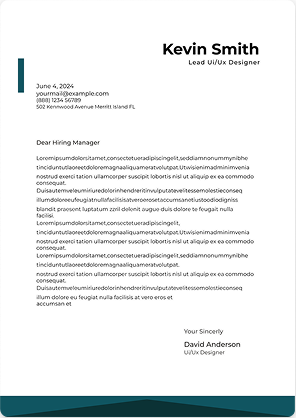
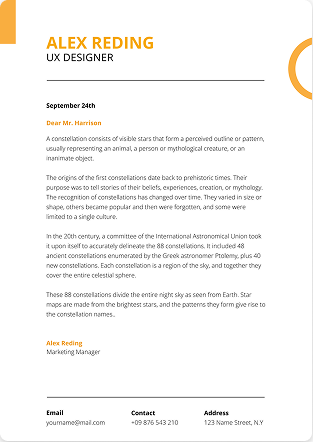
Marine Mammal Trainer Cover Letter Template
Dear Zoological Selection Committee,
I am writing to express my enthusiastic interest in the Marine Mammal Trainer position at your accredited aquarium facility. As a PADI Rescue Diver with over 6 years of professional experience specializing in operant conditioning, voluntary medical training, and public educational presentations, I am committed to delivering world-class animal welfare and guest engagement.
In my current role as Senior Marine Mammal Trainer, I manage daily husbandry and training for 14 resident dolphins and sea lions. I have successfully conditioned 35+ voluntary medical behaviors, including ultrasound positioning and blood sampling, while narrating over 450 public presentations annually.
I am deeply versed in USDA APHIS Animal Welfare Act standards, ZIMS record keeping, and environmental enrichment design. I look forward to bringing my strong operant conditioning skills and passion for ocean conservation to your animal care team.
Thank you for your time and consideration.
Sincerely,
[Your Name], B.S.
PADI Rescue Diver & Marine Mammal Trainer
Marine Mammal Trainer Interview Preparation & Top Questions
Q: How do you handle a situation where an animal offers an incorrect behavior during a live public show?
Answer Strategy: Explain applying the Least Reinforcing Scenario (LRS)—pausing for 3–5 seconds neutrally without reinforcing the error—then asking for a simple, well-known behavior to reset the animal's focus before resuming the presentation seamlessly.
Q: Describe your process for conditioning a new voluntary medical behavior like a blood draw.
Answer Strategy: Outline small approximation steps (shaping), using tactile desensitization, stationing, presenting the tail fluke/flipper, introduce mock needles, and rewarding calm acceptance with primary reinforcement.
Salary Benchmarks & Career Path
Compensation for Marine Mammal Trainers varies based on facility size, species expertise, SCUBA level, and leadership responsibilities:
- Apprentice / Assistant Trainer: $34,000 – $42,000 / year
- Marine Mammal Trainer (Mid-Level): $44,000 – $56,000 / year
- Senior Trainer / Assistant Curator: $58,000 – $78,000+ / year
Frequently Asked Questions (FAQ) – 5 Core Career Questions
Q1: What degree is required to become a Marine Mammal Trainer?
A Bachelor's degree in Marine Biology, Zoology, Psychology, Animal Behavior, or Life Sciences is standard, along with SCUBA certification and hands-on internship experience at an accredited zoological facility.
Q2: How do I highlight SCUBA certifications on a Marine Mammal Trainer resume?
Place your SCUBA level (PADI Rescue Diver, Open Water, Nitrox) prominently in the main Header Title and Certifications section, specifying total logged dive hours and underwater maintenance experience.
Q3: Why is voluntary medical training important on a trainer's resume?
Voluntary medical training allows veterinarians to perform routine exams (blood draws, ultrasounds, eye checks) without physical restraint or sedation, reducing animal stress and showcasing advanced operant conditioning expertise.
Q4: What software should a Marine Mammal Trainer include?
Include ZIMS (Zoological Information Management System), Tracks, and Microsoft Office, as daily record-keeping of diets, weights, and health observations is a critical core duty.
Q5: What is the career progression path for a Marine Mammal Trainer?
Career growth starts from Animal Care Intern / Apprentice ($34,000) to Trainer I/II ($44,000–$54,000), Senior Trainer ($58,000–$68,000), and Curator of Marine Mammals / Zoological Director ($75,000–$110,000+).