Gym Fitness Trainer Resume: Expert Tips & Examples
A gym fitness trainer resume is more than a list of exercises you've taught; it's your professional pitch to employers. It should showcase your fitness expertise, certifications, and client success stories clearly. As Indeed explains, a gym trainer resume is “a professional document that lists a gym trainer’s skills, experience and educational qualifications”.
In practice, personal trainers, fitness instructors, and gym trainers often share the same goals – helping clients reach their fitness goals so your resume should emphasize how you do that better than others.
For example, AI Resume Lab notes that a strong personal trainer resume highlights your “fitness expertise” and key coaching skills. Use this resume to demonstrate your knowledge, motivate confidence, and secure that interview.
Why Your Gym Trainer Resume Must Stand Out?
Gym employers want trainers who combine physical ability with the power to motivate clients. A well-written resume proves you understand the role’s demands. AI Resume Lab describes how fitness instructors “plan and instruct fitness sessions” with tailored exercise plans to improve client health. That means your resume should show you can design effective workouts, ensure safety (CPR/First Aid), and advise on nutrition.
AI Resume Lab emphasizes pointing out quantifiable results and growth. It cites examples like “increasing client retention by 20%” and using strong verbs (e.g. “increased”, “implemented”) to engage employers. In short, highlight what sets you apart: your clients’ success.
Essential Sections of a Fitness Trainer Resume
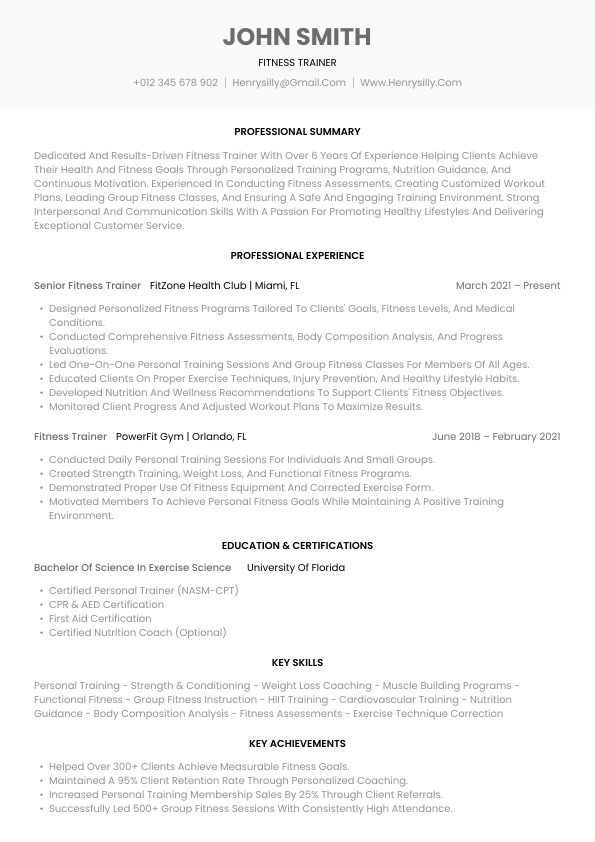
A gym trainer resume should include all standard sections, each tailored to fitness:
- Header: Name and contact info. If you have LinkedIn or a professional fitness profile, include it.
- Professional Summary or Objective: A brief intro (2–3 sentences) on your experience, specialty, and career goals (see next section).
- Work Experience: List fitness-related jobs (trainer, instructor, coach) in reverse-chronological order. Include employer, dates, and 3–5 bulleted achievements per role. Focus on impact (see “Experience” section below).
- Certifications/Education: List fitness certifications (e.g. CPT by NASM/ACE) and relevant degrees (e.g. Kinesiology). AI Resume Lab points out that naming credentials like “Certified Personal Trainer (NASM)” immediately shows your expertise.
- Skills: Bullet key skills (technical and interpersonal). Relevant examples: strength training, group fitness instruction, nutrition planning, first-aid/CPR, client motivation. Indeed’s guide advises using bullets to list skills so the resume is scannable.
- Additional Sections (optional): Achievements, awards, and activities (e.g. “Trainer of the Month” or volunteer fitness coaching) can strengthen your profile.
Writing an Eye-Catching Summary or Objective
Top of your resume, write a concise summary (for experienced trainers) or objective (if entry-level). This introduction should convey your unique value. Use strong adjectives and metrics when possible. For example:
Dedicated Personal Trainer with 6 years’ experience increasing client retention by 20%. Expert in personalized workout plans, fitness assessments, and nutritional guidance.
The above format includes your title (Certified Personal Trainer), years of experience, and a notable result (“retention by 20%”). Highlight your specialties (e.g. weight loss, strength training, aerobics) and any signature programs you lead. If you’re newer to the field, focus on your passion and transferable skills (e.g. “Motivated fitness enthusiast certified in CPR, eager to help clients achieve health goals”). Always tailor this to the job: mention any key skills listed in the job ad.
Detailing Your Work Experience and Achievements
For each past position, focus on accomplishments, not just duties. Use action verbs and numbers. Indeed’s advice: “quantifying responsibilities and achievement” makes bullet points more impactful. For example:
- “Increased gym membership by 30% through targeted referral promotions.”
- “Coached 20+ clients per month, improving average weight-loss by 15% within 3 months.”
- “Developed and led a new HIIT class that raised evening attendance by 25%.”
These statements (drawn from best-practice examples) show results. AI Resume Lab similarly recommends using data: its sample bullets include “increased client retention by 20%” and “designed individualized workout plans for 50+ clients”. This approach proves your effectiveness and differentiates you from trainers who only list responsibilities.
Example Achievements
- Client Transformation: Guided a group of 15 clients to collectively lose 200+ lbs through custom nutrition and training plans.
- Revenue Impact: Upsold fitness packages to 40% of personal training clients, boosting quarterly revenue by 18%.
- Program Development: Launched a corporate wellness program adopted by 3 local businesses, increasing community membership by 12%.
Highlighting Certifications and Skills
Certifications validate your qualifications. Create a Certifications section (or list these in Education if few) and include credentials like NASM, ISSA, ACSM, and any specializations (e.g., “TRX Certified Instructor”, “CPR/First Aid, Red Cross”).
As AI Resume Lab suggests, listing certified credentials like “Certified Personal Trainer (NASM)” emphasizes your expertise.
In the Skills section, include both hard and soft skills. Use keywords from the job description to satisfy ATS scanning. For instance, if a gym ad mentions “group fitness” or “strength training,” ensure those exact phrases appear. Indeed’s example skills include “cardiovascular and endurance training,” “customized exercise and meal plans,” and “nutrition counseling”. You can bullet skills as shown:
- Strength Training & Resistance Programming
- Cardiovascular and Endurance Training
- Nutritional Counseling & Weight Management
- Client Assessment and Fitness Testing
- First Aid/CPR Certified
- Motivational Coaching & Client Retention
Using bullets and concise phrasing keeps it readable and ATS-friendly.
Formatting Tips and ATS Optimization
Use a clean, simple format so both recruiters and ATS can parse it. Avoid images, headers/footers, or unusual fonts. Resume.io notes that ATS-friendly designs are crucial for job-winning resumes. Indeed warns that formatting mistakes can decrease your chances. Key points:
- Consistent fonts: Use readable fonts (Calibri, Arial, or Times). Same font throughout.
- Uniform bullet style: Align bullets and spacing consistently.
- Simple layout: Two columns or tables can confuse ATS, so stick to one column.
- Keywords: Mirror language from the job posting (e.g., the exact title “gym trainer” or “fitness instructor,” if used). This helps your resume be found by keyword filters.
Remember to save and send your resume as a PDF or DOCX per the employer’s instructions.
Common Mistakes to Avoid
- Generic Resume: Sending the same resume to every job hurts you. Indeed emphasizes “edit your resume to align it with the desired roles and responsibilities” for each opening. Customization shows you understand the job.
- Too Vague: Avoid listing only duties (e.g. “trained clients”) without context. Always pair them with results or specifics.
- Missing Keywords: If the job asks for a “certified personal trainer” and you omit your certification, ATS may filter you out. Include all relevant terms naturally.
- Typos and Errors: Even minor mistakes can make you look unprofessional. As Indeed warns, proofreading is essential: errors “reduce your chances of getting hired”. Use spell-check and read your resume aloud.
- Overdesigning: Fancy colors or graphics can break ATS parsing. Stick to black text on white background and use bold/italics sparingly.
Final Words
A successful gym fitness trainer resume is clear, concise, and tailored. Highlight your key fitness qualifications (certifications, training specialties, client successes) and match them to the job's requirements. Use strong action words and quantify results whenever possible.
For example, phrases like “fitness expertise” and “motivational coaching” signal to employers that you can help clients achieve their goals. By organizing your resume with ATS-friendly formatting and double-checking for accuracy, you'll present a professional image that stands out in the fitness industry. Keep it up-to-date with any new certifications or achievements to excel in your career.