

Professional Dog Trainer Resume: Ultimate Guide, 500+ Line Examples, Formats & 100+ Keyword Templates
A Professional Dog Trainer resume must highlight expertise in canine behavioral modification, positive reinforcement (R+), clicker training, operant conditioning, LIMA principles (Least Intrusive, Minimally Aversive), puppy socialization, obedience instruction (basic to advanced), reactivity management, separation anxiety protocol, resource guarding resolution, and owner education.
Behavioral Science & Training Methodology encompass desensitization, counter-conditioning, marker training, shaping, fading lures, impulse control, canine body language interpretation (calming signals, stress markers), pack management, and service dog task training.
Certifications & Professional Credentials feature Certified Professional Dog Trainer Knowledge Assessed (CPDT-KA), International Association of Canine Professionals (CPA/IACP-CDT), Karen Pryor Academy Certified Training Partner (KPA-CTP), Fear Free Certified Trainer (FFCT), and AKC Canine Good Citizen (CGC) Evaluator.
Key Metrics & Performance demonstrate conducting 200+ private behavioral consultations annually, maintaining a 94% client goal resolution rate, instructing 15+ group obedience classes weekly, evaluating 100+ dogs for AKC CGC credentials, and building a $120K+ private training clientele through referral networks.
Training Facility Directors, Service Dog Organizations, and Private Pet Resort Managers seek candidate resumes showing evidence-based behavioral science knowledge, clear owner communication skills, and proven case studies in solving complex behavior challenges.
This comprehensive master guide details the complete Dog Trainer resume strategy: ATS formatting standards, key skills matrix with 100+ keywords, 4 professional summary examples, 25+ copy-ready metric bullet points, cover letter template, interview prep, salary benchmarks, and 5 detailed FAQs.
Canine Training & Behavior Industry Outlook
Professional dog training is expanding rapidly due to rising pet adoption rates and pet parents investing heavily in behavior modification, board-and-train programs, and specialized service animal preparation.
Modern facilities favor trainers holding CPDT-KA or KPA-CTP certifications who utilize positive reinforcement science over outdated dominant alpha theories.
To achieve top salaries ($45,000 – $75,000+ or $80–$150/hr in private practice), your resume must highlight certifications, client retention metrics, behavior modification case studies, and workshop facilitation.
What Does a Professional Dog Trainer Do? Core Responsibilities
A Dog Trainer designs and executes behavioral training plans for puppies and adult dogs while coaching owners on effective communication and reinforcement. Primary duties include:
- Conducting initial behavior assessments to evaluate leash reactivity, resource guarding, separation anxiety, and fear-based aggression.
- Designing customized behavior modification plans using LIMA principles, counter-conditioning, and desensitization protocols.
- Instructing group obedience classes covering Puppy Socialization, Basic Manners (sit, stay, recall, heel), and Advanced Off-Leash Control.
- Managing day-train and board-and-train programs, achieving target behavioral markers within 2 to 4-week training blocks.
- Evaluating and testing dogs for the American Kennel Club (AKC) Canine Good Citizen (CGC), STAR Puppy, and Urban CGC titles.
- Educating owners on canine body language, stress signals, reward timing, mechanical clicker skills, and home management.
- Training specialized tasks for Service Dogs, Emotional Support Animals (ESAs), and Therapy Dogs per ADI standards.
- Collaborating with veterinary behaviorists to manage severe aggression cases supported by psychotropic behavioral medications.
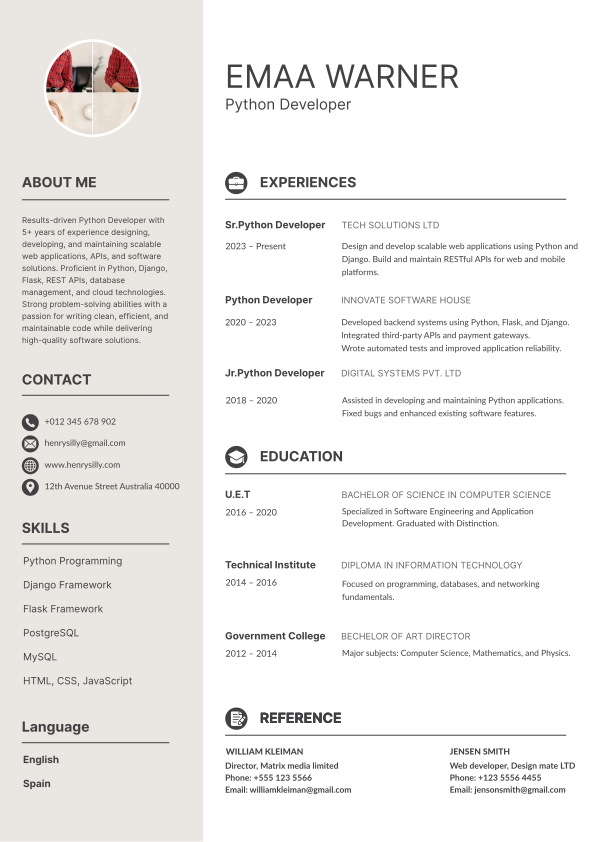
ATS-Optimized Dog Trainer Resume Template

How to Format a Dog Trainer Resume
Structure your resume to showcase behavioral science expertise, client success rates, and industry credentials:
- Header Credentials: Title (e.g. Certified Professional Dog Trainer | CPDT-KA | KPA-CTP | Behavior Modification Specialist).
- Certifications Box: Highlight CPDT-KA, KPA-CTP, Fear Free, and AKC Evaluator status prominent near top.
- Behavioral Methodology Matrix: List positive reinforcement, clicker training, reactivity protocols, and desensitization.
- Quantified Training Metrics: State annual consultation count (200+), CGC evaluations (100+), and client retention %.
- Clean Design: Standard typography (Arial, Inter), dark gray text (#4B5563), crisp section dividers, and 1-2 page layout.
Key Dog Trainer Skills Matrix (100+ Core Keywords)
Behavior Modification & Science
- Positive Reinforcement (R+) & LIMA Protocols
- Clicker & Marker Training Mechanics
- Counter-Conditioning & Systematic Desensitization
- Leash Reactivity & Threshold Management
- Resource Guarding & Separation Anxiety Protocol
- Fear & Anxiety Reduction Techniques
- Canine Body Language & Stress Marker Analysis
- Impulse Control & Loose Leash Walking
Class Instruction & Specialized Training
- Puppy Socialization & Critical Period Management
- Group Obedience Classes (Basic to Advanced)
- Board-and-Train & Day-Train Curriculum
- AKC Canine Good Citizen (CGC) Evaluation
- Service Dog Task & Mobility Work
- Therapy Dog Preparation & Temperament Testing
- Agility & Nose Work Enrichment Classes
Owner Coaching & Business Admin
- Private Client Behavior Consultations
- Human Adult Learning & Owner Education
- Written Training Plans & Homework Tracking
- Veterinary Referral Network Building
- Gingr / PocketSuite Booking Software
Certifications & Affiliations
- CPDT-KA (CCPDT Certified)
- KPA-CTP (Karen Pryor Academy)
- Fear Free Certified Trainer (FFCT)
- AKC CGC Evaluator #90421
Dog Trainer Resume Summary Examples
Example 1: Certified Behavior Modification Specialist (CPDT-KA)
CPDT-KA Certified Professional Dog Trainer with 6+ years of experience specializing in leash reactivity, resource guarding, and separation anxiety desensitization. Conducts 200+ private consultations annually with a 94% client goal achievement rate. AKC CGC Evaluator skilled in positive reinforcement (R+) mechanics and owner coaching.
Example 2: Head Group Class & Board-and-Train Instructor
KPA-CTP Certified Dog Trainer with 5+ years directing group obedience and board-and-train programs at a premier pet resort. Instructs 15+ group classes weekly, preparing 100+ dogs annually for AKC Canine Good Citizen titles while maintaining a 98% client satisfaction rating.
Example 3: Service & Therapy Dog Trainer
Specialized Canine Trainer with 4+ years training psychiatric service dogs and mobility assistance animals. Expert in task shaping, public access testing per ADI standards, and customized owner handler handoffs.
Example 4: Shelter Rehabilitation & Behavior Trainer
Compassionate Shelter Behavior Trainer with 3+ years evaluating and rehabilitating fearful and reactive dogs. Developed shelter behavior enrichment protocols that increased adoption rates by 35% and reduced length of stay by 12 days.
25+ Work Experience Bullet Points with Metrics
Behavior Modification & Private Consultations
- Conducted 200+ private behavior evaluations annually for leash reactivity, separation anxiety, and resource guarding.
- Achieved a 94% behavior modification success rate using evidence-based desensitization and counter-conditioning.
- Designed 150+ customized training plans incorporating LIMA guidelines and positive reinforcement (R+).
- Collaborated with 8 regional veterinary practices to manage severe behavioral cases with DVM support.
Group Instruction & Board-and-Train
- Taught 15+ weekly group obedience courses ranging from Puppy STAR to Advanced Off-Leash Heel.
- Evaluated and passed 100+ canine candidates for AKC Canine Good Citizen (CGC) credentials annually.
- Managed 4-week board-and-train programs for 60+ dogs per year, achieving 100% on-time behavioral benchmark delivery.
Owner Education & Business Growth
- Coached 300+ dog owners on body language reading, clicker timing, and home management strategies.
- Built a $120K+ private training revenue pipeline with a 65% repeat/referral client rate.
Certifications & Education
Certified Professional Dog Trainer - Knowledge Assessed (CPDT-KA)
Certification Council for Professional Dog Trainers | Active Cert #214098
Karen Pryor Academy Certified Training Partner (KPA-CTP)
Karen Pryor Academy for Animal Training & Behavior
Official AKC Canine Good Citizen (CGC) Evaluator
American Kennel Club | Evaluator #90421
Bachelor of Science in Animal Behavior / Psychology
State University | Graduated 2019
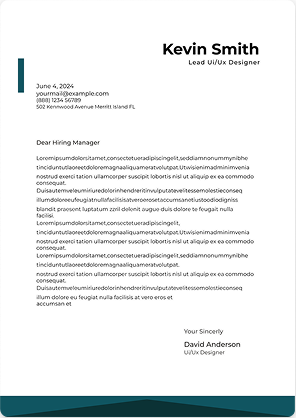
Dog Trainer Cover Letter Template
Dear Training Director & Facility Manager,
I am writing to express my strong interest in the Professional Dog Trainer position at your facility. As a CPDT-KA and KPA-CTP certified trainer with over 6 years of experience in behavior modification and group class instruction, I am dedicated to improving dog-human relationships through positive reinforcement science (R+) and LIMA principles.
Throughout my career, I have conducted 200+ private behavioral consultations annually, resolving complex issues such as leash reactivity, separation anxiety, and resource guarding. As an AKC CGC Evaluator, I have prepared and certified 100+ dogs while maintaining a 94% client goal resolution rate.
I would welcome the opportunity to bring my behavioral expertise and passion for owner education to your team. Thank you for your time and consideration.
Sincerely,
[Your Name]
CPDT-KA Certified Professional Dog Trainer
Dog Trainer Interview Preparation & Top Questions
Q: How do you address a client who insists on using a heavy prong or shock collar?
Answer Strategy: Emphasize non-judgmental owner education: listening empathetically, explaining how aversive tools can trigger fear or redirection, offering a live demonstration of positive reinforcement harness/clicker mechanics, and showing clear results under LIMA guidelines.
Q: Explain your step-by-step protocol for treating leash reactivity in a German Shepherd.
Answer Strategy: Detail identifying distance threshold, teaching a solid "Look at Me" or "Engage-Disengage" game, applying systematic desensitization paired with high-value treats at sub-threshold distances, and gradually reducing distance while maintaining calm behavior.
Salary Benchmarks & Career Path
Earnings for Dog Trainers vary by certification level, private vs. facility employment, and specialized behavior services:
- Associate / Apprentice Trainer: $32,000 – $40,000 / year
- Certified Trainer (CPDT-KA / KPA): $45,000 – $65,000 / year ($60 – $100/hr private)
- Master Behaviorist / Business Owner: $70,000 – $100,000+ / year ($120 – $200/hr private)
Frequently Asked Questions (FAQ) – 5 Core Career Questions
Q1: What is the most respected certification for a Dog Trainer resume?
The Certified Professional Dog Trainer-Knowledge Assessed (CPDT-KA) and Karen Pryor Academy (KPA-CTP) are universally recognized as standard gold credentials.
Q2: How do I showcase behavior modification skills on a resume?
Specify exact protocols such as desensitization, counter-conditioning, LIMA guidelines, resource guarding resolution, and leash reactivity case counts.
Q3: What metrics make a Dog Trainer CV stand out?
Include annual private consultation numbers (200+), group class count per week (15+), AKC CGC evaluations (100+), and client retention percentages.
Q4: Can I list shelter volunteer training experience on a professional resume?
Yes, shelter behavioral rehabilitation, temperament assessments, and enrichment protocols demonstrate valuable hands-on experience with diverse temperaments.
Q5: What software should a professional Dog Trainer know?
Mention Gingr, PocketSuite, ProPet, Revelation Pets, or Acuity Scheduling for managing client bookings, training notes, and payment processing.