Professional Animal Care Technician Resume: Ultimate Guide, 500+ Line Examples, Formats & 100+ Keyword Templates
A Professional Animal Care Technician (ALAT / LAT) resume must demonstrate expertise in laboratory animal husbandry, vivarium sanitation, environmental monitoring, regulatory compliance (USDA, AALAS, OLAW, AAALAC standards), rodent colony management, non-human primate enrichment, health surveillance, clinical treatment administration, and bio-containment procedures.
Vivarium & Research Care Standards encompass managing 500+ cage racks daily, cage changing protocols (laminar flow hoods, IVC micro-isolator racks), autoclave operation, water quality testing, automated cagewash machinery, and health observations per IACUC approved protocols.
Certifications & Professional Credentials highlight Assistant Laboratory Animal Technician (ALAT), Laboratory Animal Technician (LAT), Laboratory Animal Technologist (LATg), CITI Program Research Ethics, and OSHA Biohazard Safety.
Key Metrics & Performance demonstrate managing vivarium care for 500+ research animals daily, maintaining 100% AAALAC accreditation inspection compliance, executing 200+ cage changes daily in laminar flow biosafety cabinets, and recording 99.8% health log accuracy.
Biotech Companies, Pharmaceutical Research Laboratories, University Vivariums, and Contract Research Organizations (CROs) evaluate candidates for SOP adherence, bio-containment discipline, regulatory compliance knowledge, and meticulous record keeping.
This comprehensive master guide details the complete Animal Care Technician resume strategy: ATS formatting standards, key skills matrix with 100+ keywords, 4 professional summary examples, 25+ copy-ready metric bullet points, cover letter template, interview prep, salary benchmarks, and 5 detailed FAQs.
Biomedical Research & Vivarium Care Industry Outlook
Demand for AALAS-certified Laboratory Animal Care Technicians is growing rapidly across pharmaceutical R&D, biotechnology firms, universities, and medical research institutes.
Research institutions prioritize candidates holding ALAT or LAT credentials who possess expertise in individually ventilated cage (IVC) systems, biosafety cabinets, and IACUC protocol compliance.
To command top hourly wages ($22.00 – $32.00/hr) or advance to Vivarium Facility Supervisor ($65,000 – $85,000/year), your resume must highlight AALAS certifications, species range, cage change volume, and AAALAC audit success.
What Does an Animal Care Technician Do? Core Responsibilities
An Animal Care Technician oversees animal husbandry, health surveillance, environmental control, and regulatory compliance within research vivariums and clinical laboratories:
- Performing daily health surveillance, feeding, and water bottle/automatic watering checks for 500+ laboratory animals (mice, rats, rabbits, non-human primates).
- Executing sterile cage changes using biosafety cabinets and micro-isolator IVC rack systems to prevent pathogen transmission.
- Operating automated tunnel washers, rack washers, bulk autoclaves, and bedding dispensers per vivarium SOPs.
- Monitoring and logging environmental parameters (temperature, relative humidity, light cycles, air exchange rates).
- Administering prescribed clinical treatments, topical ointments, oral medications, and sub-Q injections under Attending Veterinarian oversight.
- Assisting research scientists with animal weaning, ear-notching, tail-snip genotyping, tissue collection, and body weight scoring.
- Maintaining strict compliance with USDA Animal Welfare Act, Guide for the Care and Use of Laboratory Animals, and AAALAC accreditation standards.
- Managing specialized species enrichment programs (puzzle feeders, nesting material, foraging devices).
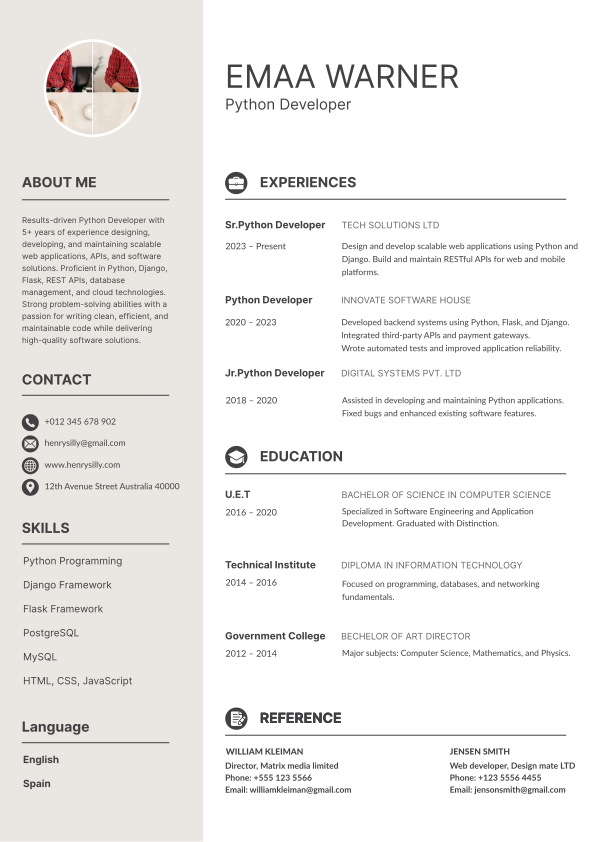
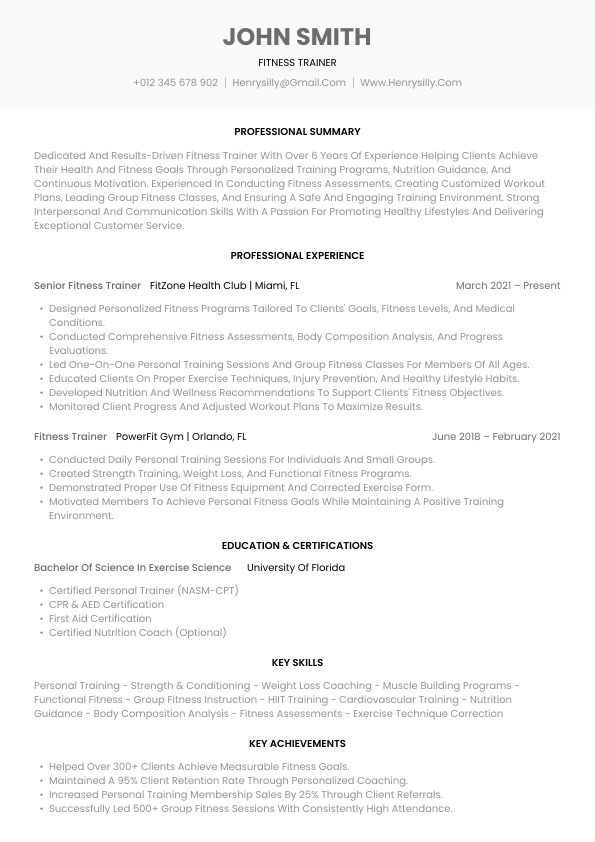
ATS-Optimized Animal Care Technician Resume Template

How to Format an Animal Care Technician Resume
Structure your resume to showcase regulatory compliance knowledge, AALAS credentials, and laboratory machinery proficiencies:
- Header Credentials: Title (e.g. Animal Care Technician | AALAS Certified ALAT / LAT | Vivarium Husbandry Specialist).
- Certifications Box: Display AALAS (ALAT, LAT, LATg), CITI Program Ethics, and OSHA certs near top header.
- Technical Skills Matrix: Categorize IVC rack changing, biosafety cabinet aseptic technique, autoclave operation, and IACUC protocol logging.
- Quantified Vivarium Metrics: Include daily cage count (500+), AAALAC audit history (100% compliance), health surveillance accuracy.
- Clean Layout: Standard fonts (Arial, Inter), clean 10–11pt font size, dark gray readable text (#4B5563).
Key Animal Care Technician Skills Matrix (100+ Core Keywords)
Vivarium Husbandry & Bio-Containment
- IVC Micro-Isolator Rack Systems
- Class II Biosafety Cabinet (BSC) Aseptic Technique
- Bulk Autoclave & Rack Washer Operation
- Barrier Room & Bio-Containment Level 2 (BSL-2) SOPs
- Rodent Colony Management & Weaning Protocols
- Environmental Parameter Monitoring (Temp/Humidity/Air exchange)
- Sanitation Validation (ATP Swab Testing)
Clinical Health & Research Support
- Daily Health Observation & Sentinel Surveillance
- Ear-Notching, Microchipping & Tail Genotyping
- Sub-Q, I.P. Injections & Oral Gavage Assistance
- Euthanasia (CO2 Chamber per AVMA Guidelines)
- Species Enrichment & Behavioral Welfare
Regulatory Compliance & Software
- USDA Animal Welfare Act Compliance
- Guide for Care & Use of Lab Animals Guidelines
- AAALAC International Accreditation Standard
- IACUC Protocol Record Keeping
- LIMS / Mosaic Vivarium Management Software
Certifications & Training
- AALAS Assistant Laboratory Animal Technician (ALAT)
- AALAS Laboratory Animal Technician (LAT)
- CITI Working with Research Animals Certification
Animal Care Technician Resume Summary Examples
Example 1: Experienced AALAS Certified LAT
AALAS-Certified Laboratory Animal Technician (LAT) with 5+ years of experience managing vivarium operations for 500+ research animals in pharmaceutical and university research facilities. Skilled in IVC micro-isolator rack changes, biosafety cabinet aseptic protocols, cage washer operation, and AAALAC audit compliance.
Example 2: Biotech Vivarium Technician (ALAT)
Detail-driven Animal Care Technician (ALAT) with 4+ years in biotechnology R&D. Manages rodent colony breeding, genotyping tissue collection, and daily health observations with 99.8% record accuracy per IACUC protocols.
Example 3: Large Animal & Non-Human Primate Technician
Specialized Vivarium Technician with 3+ years managing husbandry, behavioral enrichment, and clinical treatment for USDA-regulated species (canine, swine, non-human primates).
Example 4: Entry-Level ALAT Candidate
Motivated Animal Science Graduate with ALAT certification in progress. Experienced in rodent handling, autoclave sterilization, and environmental parameter monitoring through university research internships.
25+ Work Experience Bullet Points with Metrics
Husbandry & Vivarium Operations
- Managed daily feeding, watering, and health checks for 500+ laboratory animals across IVC micro-isolator rack systems.
- Executed 200+ sterile cage changes weekly inside Class II biosafety cabinets per aseptic bio-containment SOPs.
- Operated automated tunnel washers, rack washers, and autoclaves, maintaining 100% sterilization validation metrics.
- Monitored environmental room parameters (temperature, humidity, 12:12 light cycles) for 12 vivarium rooms daily.
Research & Colony Management
- Managed breeding colonies for 40+ transgenic rodent lines, performing ear-notching and tail-snip genotyping.
- Administered oral gavage, Sub-Q, and I.P. injections to 30+ research animals daily per IACUC protocols.
- Logged daily health observations in Mosaic LIMS software with 99.8% data entry accuracy.
Regulatory Compliance
- Maintained 100% compliance across 4 consecutive AAALAC International accreditation site inspections.
- Enforced USDA Animal Welfare Act and PHS Policy standards across all vivarium husbandry suites.
Certifications & Education
AALAS Laboratory Animal Technician (LAT) Certification
American Association for Laboratory Animal Science | Cert #LAT-48190
AALAS Assistant Laboratory Animal Technician (ALAT) Certification
American Association for Laboratory Animal Science | Cert #ALAT-32104
Bachelor of Science in Animal Science / Biology
State University | Graduated 2020
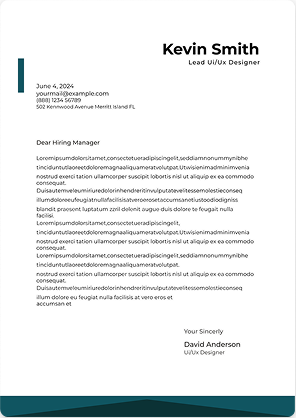
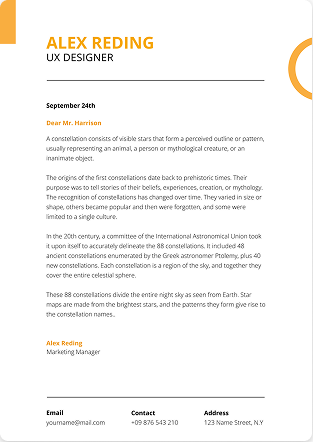
Animal Care Technician Cover Letter Template
Dear Vivarium Manager & Hiring Director,
I am writing to express my strong interest in the Animal Care Technician position at your research facility. As an AALAS-Certified LAT with over 5 years of vivarium experience managing husbandry for 500+ research animals daily, I am dedicated to maintaining rigorous regulatory compliance and animal welfare standards.
In my current role, I oversee IVC micro-isolator rack changes, biosafety cabinet aseptic protocols, automated rack washer operations, rodent colony breeding, and clinical treatment administration. My track record of maintaining 100% AAALAC inspection compliance reflects my commitment to quality research support.
I look forward to contributing my technical skills and AALAS standards to your vivarium team. Thank you for your time and consideration.
Sincerely,
[Your Name]
AALAS Certified Laboratory Animal Technician (LAT)
Animal Care Technician Interview Preparation & Top Questions
Q: Explain the proper aseptic procedure for changing an IVC rodent cage inside a laminar flow biosafety cabinet.
Answer Strategy: Detail spraying gloved hands with 70% IPA, turning on BSC 5 minutes prior to work, sanitizing interior surfaces, opening clean cage, transferring mice with forceps dipped in disinfectant, closing clean cage lid securely, and sanitizing work area between racks.
Q: What do you do if you notice a vivarium room temperature spike above 76°F during weekend rounds?
Answer Strategy: Explain notifying facility management immediately, checking animal health for heat stress signs, verifying HVAC supply vents, logging reading in environmental software, and notifying the Attending Veterinarian per emergency SOPs.
Salary Benchmarks & Career Path
Salaries for Animal Care Technicians vary by AALAS certification level, facility type (pharma vs. academia), and geographic region:
- Entry-Level / ALAT Technician: $20.00 – $24.00 / hour ($41,000 – $50,000/year)
- Certified LAT Technician: $25.00 – $32.00 / hour ($52,000 – $66,000/year)
- LATg / Vivarium Facility Supervisor: $68,000 – $88,000+ / year
Frequently Asked Questions (FAQ) – 5 Core Career Questions
Q1: What is the difference between ALAT, LAT, and LATg certifications?
ALAT (Assistant) covers foundational husbandry and sanitation. LAT (Technician) focuses on clinical procedures, colony breeding, and lab techniques. LATg (Technologist) covers vivarium facility management and regulatory oversight.
Q2: What regulations govern Laboratory Animal Care Technicians?
The USDA Animal Welfare Act (AWA), the PHS Policy, the ILAR Guide for the Care and Use of Laboratory Animals, and AAALAC International accreditation standards.
Q3: How do I highlight IVC cage changing experience on my resume?
Specify the type of racks (Allentown, Tecniplast), biosafety cabinet aseptic protocols, micro-isolator filter handling, and volume of weekly cage changes (200+).
Q4: What software should a research Animal Care Technician know?
Mention Mosaic LIMS, Tick@lab, Edstrom environmental monitoring software, or proprietary vivarium management databases.
Q5: Can veterinary clinic assistants transition into vivarium technician roles?
Yes, clinical handling skills and animal care backgrounds translate well into research vivariums after acquiring ALAT certification.