UX/UI Designer Resume: Examples, Formats & 70+ Keyword Templates
A UX/UI Designer resume must balance creative user interface design with rigorous user research, wireframing, interactive prototyping, and design system engineering. Design hiring managers and product leads evaluate a UX UI designer resume for portfolio accessibility, Figma component architecture, Adobe XD mastery, usability testing metrics, and WCAG accessibility standards compliance.
Whether you are writing an entry-level UX designer resume, a product designer resume, a UI designer CV, or a senior UX research lead resume, your document must pass applicant tracking systems (ATS) while linking to your live Figma case studies and portfolio.
This complete guide details the best UX/UI designer resume format, portfolio integration strategies, copy-ready summary examples, metric-backed bullet points, and 5 detailed FAQs with 20+ search keywords.
What Does a UX/UI Designer Do?
A UX/UI Designer crafts intuitive, accessible, and visually compelling web and mobile digital product experiences. Core duties include:
- Conducting user research, contextual inquiries, user interviews, persona creation, and customer journey mapping
- Architecting information architecture (IA), site maps, card sorting, user flows, and wireframes
- Building enterprise design systems, UI component libraries, variant sets, and design tokens in Figma
- Creating low-to-high fidelity interactive prototypes for usability testing and stakeholder presentations
- Auditing web and mobile UIs against WCAG 2.1 AA accessibility guidelines, color contrast, and screen readers
- Collaborating with agile product managers and frontend software engineers for smooth developer handoff
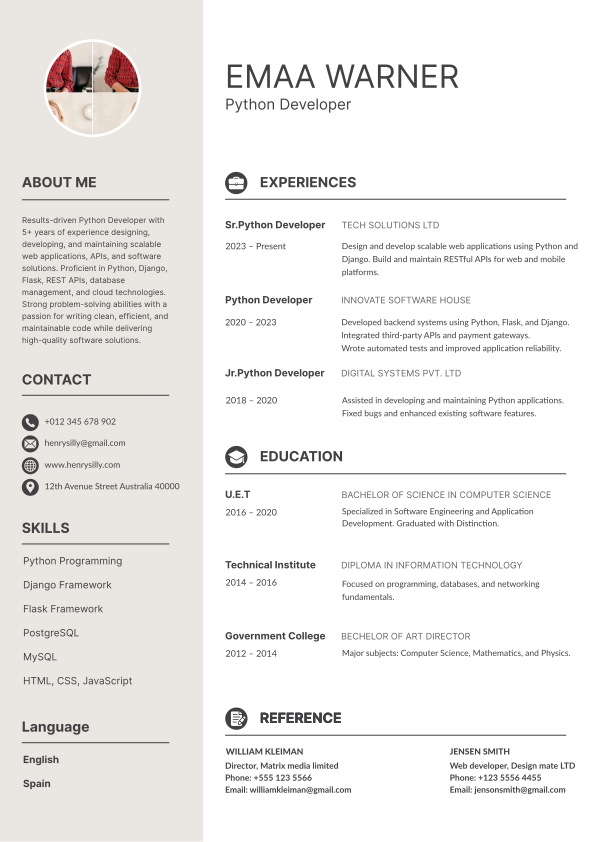
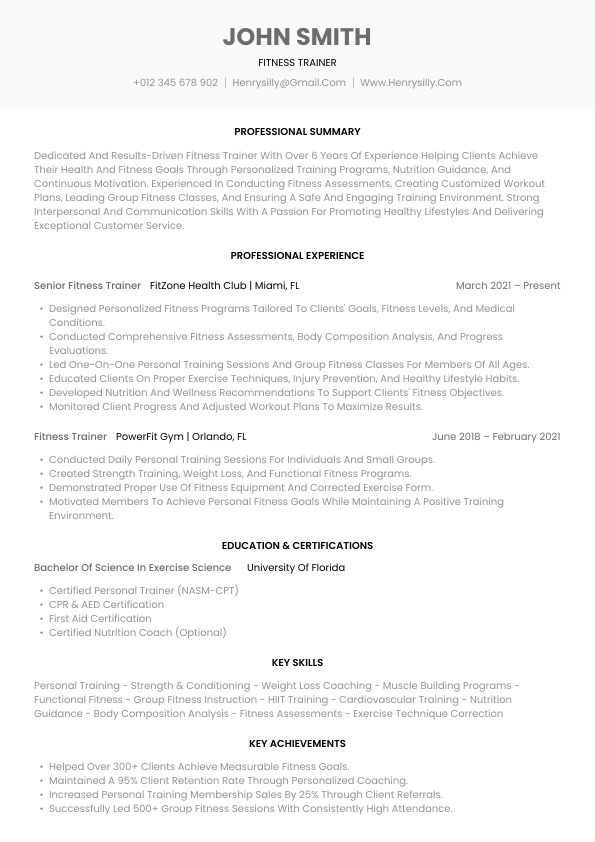
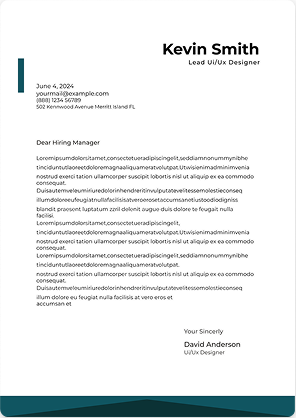
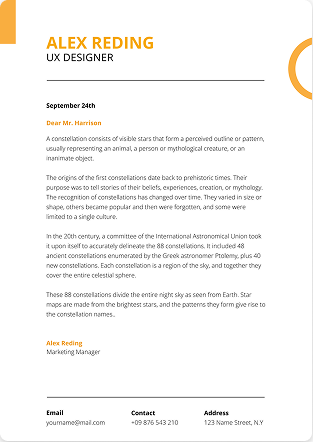
UX/UI Designer Resume Template
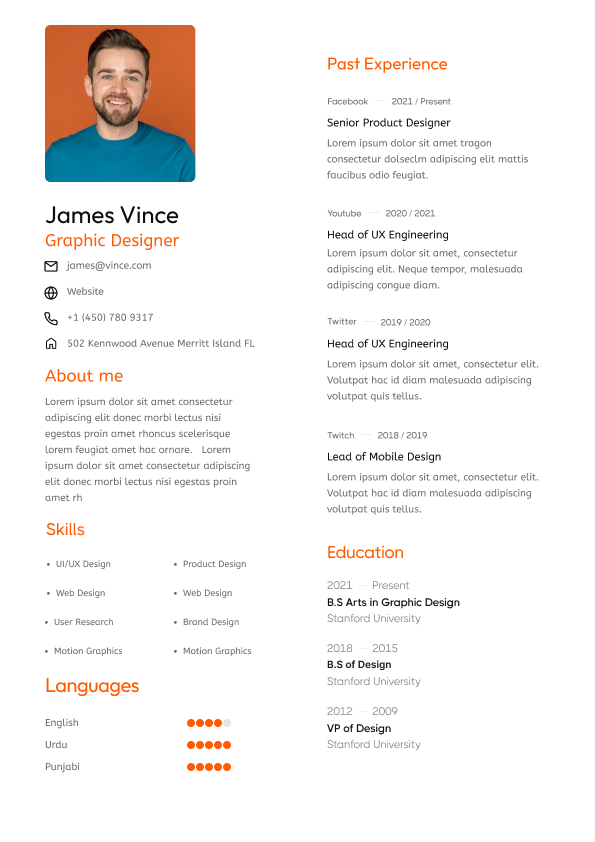
Key UX/UI Designer Skills (50+ Core Keywords)
- Design Tools: Figma, Adobe XD, Sketch, Illustrator, Photoshop, InDesign, Principle, Framer, ProtoPie, InVision, Axure RP
- UX Research & Strategy: User Interviews, Usability Testing, Persona Creation, Customer Journey Mapping, Heuristic Evaluation, A/B Testing, Competitive Analysis, Card Sorting
- UI & Visual Design: Design Systems, Component Libraries, UI Tokens, Micro-interactions, Typography, Color Theory, Grid Systems, Iconography, Responsive Web Design, Mobile First Design
- Information Architecture & Prototyping: Site Maps, User Flows, Wireframing (Low/High Fidelity), Interactive Prototyping, Clickable Mockups, Task Analysis
- Accessibility & Developer Handoff: WCAG 2.1 AA Compliance, Color Contrast, Screen Reader Accessibility, Developer Handoff, Zeplin, Zeroheight, Storybook, HTML5, CSS3, Tailwind CSS Basics
- Design Ops & Soft Skills: Design Thinking, Cross-Functional Collaboration, Agile/Scrum, Product Strategy, Stakeholder Management, User-Centered Design (UCD)
UX/UI Designer Resume Summary Examples
Entry-Level UX/UI Designer Resume Summary
User Experience & Interface Designer with strong skills in Figma wireframing, high-fidelity interactive prototyping, and user research. Built 3 end-to-end mobile and web design case studies demonstrating persona mapping, accessibility testing, and developer handoff workflows.
Mid-Level Product / UX UI Designer Resume Summary
UX/UI Product Designer with 4+ years of experience designing SaaS web and mobile applications in Figma. Redesigned checkout checkout flow, increasing conversion rate by 28% and boosting user satisfaction score (CSAT) by 35% through iterative usability testing.
UX/UI Designer Resume Bullets with Metrics & Keywords
- Redesigned SaaS product onboarding flow in Figma, increasing 30-day user retention rate by 24%
- Architected enterprise Figma design system with 250+ accessible components, reducing design-to-development turnaround time by 40%
- Conducted 30+ usability testing sessions, executing A/B testing that lifted user task completion speed by 50%
Frequently Asked Questions (FAQs)
Q1. What are the top keywords for a UX/UI Designer resume?
Top keywords include: Figma, UX Research, Usability Testing, Wireframing, High-Fidelity Prototyping, Design Systems, Information Architecture, WCAG Accessibility, User Flows, Customer Journey Mapping, and HTML/CSS Developer Handoff.
Q2. Should I include a portfolio link on my UX/UI Design CV?
Yes, a portfolio website or Behance/Dribbble link is mandatory for UX/UI design applications. Place your online portfolio link prominently in the resume header alongside your LinkedIn and contact details.
Q3. How do I demonstrate business impact as a UX Researcher or UI Designer?
Quantify your outcomes using UX metrics: conversion rate lifts, CSAT (Customer Satisfaction Score) gains, SUS (System Usability Scale) improvements, task completion speedup, and design token adoption rates.
Q4. What is the average salary range for UX/UI Designers?
Junior UX Designers earn between $65,000 and $85,000 annually. Mid-level Product Designers average $105,000 to $135,000, while Senior Lead UX Architects earn $150,000 to $200,000+ depending on company scale.
Q5. Which design certifications and software skills are most valued by tech hiring teams?
Google UX Design Professional Certificate and Nielsen Norman Group (NN/g) certifications carry strong industry prestige. Software tools valued most include Figma, Framer, Principle, Storybook, and Miro.