Professional Retail Operations Manager Resume: Ultimate Guide, 500+ Line Examples, Formats & 100+ Keyword Templates
A Professional Retail Operations Manager resume must highlight multi-store operational strategy, supply chain logistics coordination, inventory control optimization, store network standard operating procedure (SOP) compliance, district loss prevention, POS system deployment, labor budget allocation, vendor negotiations, and retail process engineering.
Retail Operations Leadership encompasses overseeing regional store networks (10 to 50+ locations), streamlining backroom logistics and distribution center flow, enforcing OSHA safety standards, managing annual operating budgets from $20M to $100M+, and implementing enterprise workforce management software.
Certifications & Professional Credentials include Certified Retail Operations Professional (CROP), Certified Supply Chain Professional (CSCP), Lean Six Sigma Black Belt (LSSBB), and Project Management Professional (PMP).
Key Metrics & Performance demonstrate cutting district operating expenses by 22%, improving multi-store inventory accuracy to 99.6%, streamlining distribution replenishment lead times by 3.5 days, reducing network shrinkage by 40%, and executing 35 successful new store openings.
Chief Operating Officers (COOs), Vice Presidents of Retail Operations, and Regional Directors look for candidate resumes that demonstrate cross-functional logistics mastery, data analytics expertise, multi-store scalability, and margin expansion.
This comprehensive master guide details the complete Retail Operations Manager resume strategy: ATS formatting standards, key skills matrix with 100+ keywords, 4 professional summary examples, 25+ copy-ready metric bullet points, cover letter template, interview prep, salary benchmarks, and 5 detailed FAQs.
Multi-Store Retail Operations Industry Outlook
Retail corporations are restructuring operational models to support complex omni-channel supply chains, automated inventory tracking (RFID), and unified commerce tech stacks.
Hiring executives seek Retail Operations Managers who can audit store network processes, standardize SOP execution across dozens of storefronts, and reduce operational waste using Lean principles.
To command top executive salaries ($85,000 – $145,000+ base plus performance equity), your resume must highlight store network headcount, district operating budget size, inventory turnover velocity, and cost-reduction achievements.
What Does a Retail Operations Manager Do? Core Responsibilities
A Retail Operations Manager designs, implements, and monitors operational frameworks and logistics systems across single high-volume stores or multi-store retail districts:
- Standardizing operational SOPs across receiving, stockroom management, merchandise replenishment, cash management, and store closing procedures.
- Managing regional operating budgets, controlling labor utilization rates, and optimizing store staffing models across peak seasonal periods.
- Coordinating with distribution centers (DCs) and supply chain logistics partners to ensure timely inventory replenishment and zero out-of-stock events.
- Leading enterprise software implementations (ERP, WMS, POS, Workforce Management platforms) across regional store networks.
- Developing district loss prevention frameworks, security protocols, and inventory audit schedules to eliminate shrinkage.
- Planning and executing new store grand openings, store remodeling projects, and store closing liquidations.
- Evaluating vendor service level agreements (SLAs), store facility maintenance contracts, and equipment leases.
- Analyzing district sales and operating analytics to identify operational bottlenecks and margin improvement opportunities.
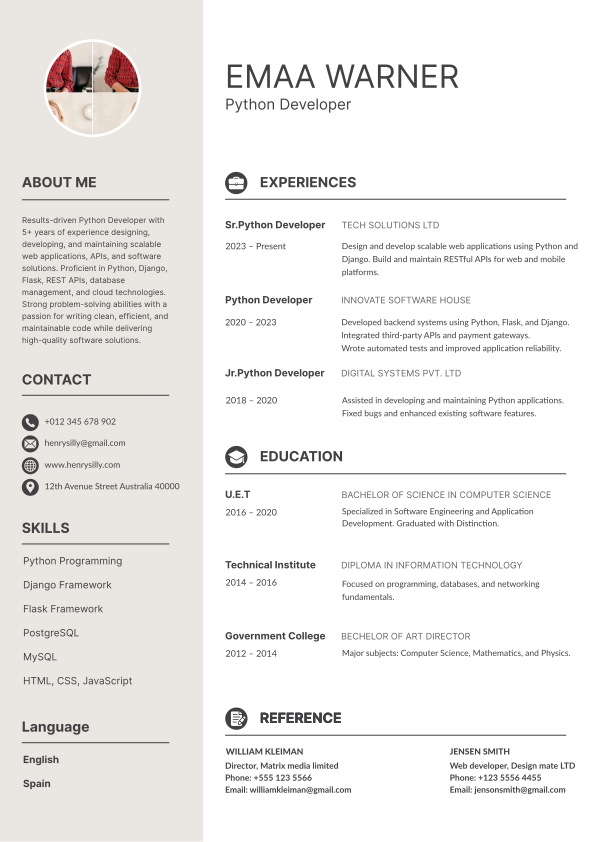
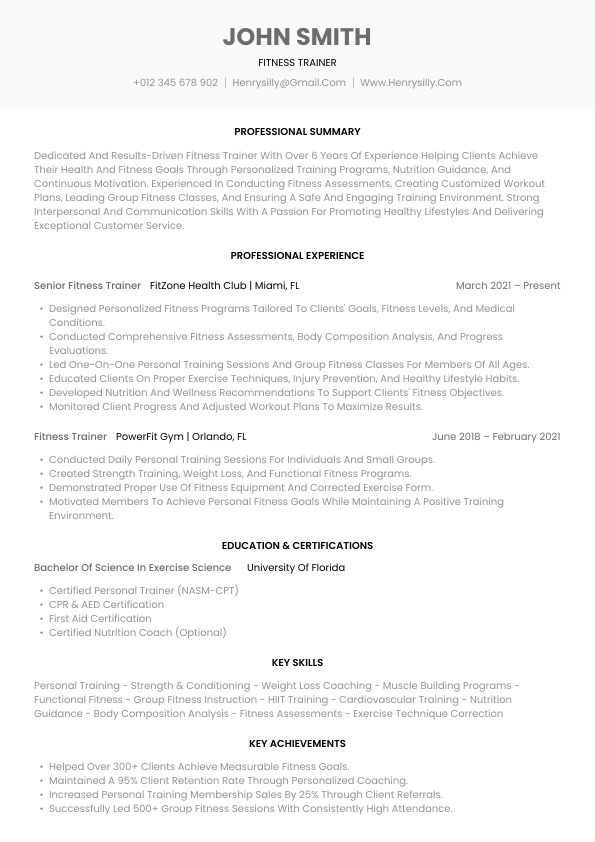
ATS-Optimized Retail Operations Manager Resume Template

How to Format a Retail Operations Manager Resume
Structure your resume to showcase multi-store scope, operational cost savings, supply chain integration, and executive project management:
- Executive Title: Title (e.g. Retail Operations Manager | Multi-Store Operations | Supply Chain & Logistics | Lean Six Sigma Black Belt).
- Network Metrics Box: Highlight store network scope (e.g., 25 stores, $60M budget, 400+ workforce).
- Operations Skills Matrix: Categorize SOP standardization, supply chain logistics, inventory optimization, ERP/POS deployment, and loss prevention.
- Quantified Impact Bullets: Emphasize percentage cost reductions (e.g., 22% OPEX savings), inventory accuracy improvements (99.6%), and project delivery speed.
- Clean Professional Formatting: Standard fonts (Arial, Inter), clean 10–11pt body font size, dark gray text (#4B5563).
Key Retail Operations Manager Skills Matrix (100+ Core Keywords)
Multi-Store Operational Strategy
- Multi-Store Network Operations & SOP Enforceability
- Regional Operating Budgeting & Expense Control
- Workforce Management & Labor Model Optimization
- New Store Openings (NSO) & Store Remodels
- Facilities Management & Vendor SLAs
- Lean Six Sigma Process Improvement
Supply Chain & Inventory Management
- Inventory Replenishment & Stockroom Logistics
- Distribution Center (DC) Coordination
- RFID & Barcode Stock Accuracy Audits
- District Loss Prevention & Shrinkage Elimination
- Omni-Channel Logistics (BOPIS / Ship-from-Store)
- Cycle Count & Annual Stocktake Supervision
Systems Deployment & Data Analytics
- Enterprise ERP (SAP Retail, Oracle Retail)
- WMS (Manhattan Associates, Blue Yonder)
- Workforce Systems (Kronos, Workday, Reflexis)
- POS Rollouts & Unified Commerce Integration
- Retail Analytics & Operational KPI Reporting
Certifications & Methodologies
- Lean Six Sigma Black Belt (LSSBB)
- Certified Supply Chain Professional (CSCP)
- Project Management Professional (PMP)
- OSHA Retail Safety Director Certification
Retail Operations Manager Resume Summary Examples
Example 1: Regional Retail Operations Manager (30+ Stores)
Strategic Retail Operations Manager with 9+ years of experience leading multi-store operational strategy across 30 retail storefronts generating $75M in annual revenue. Expert in SOP standardization, supply chain logistics, inventory shrink reduction, and workforce labor optimization. Reduced district OPEX by 22% while spearheading 12 successful new store openings.
Example 2: Omni-Channel Retail Operations Manager
Process-driven Operations Manager with 7+ years integrating store-level logistics with enterprise e-commerce platforms. Led the regional rollout of BOPIS and RFID inventory tracking across 18 stores, improving inventory accuracy from 92% to 99.6% and cutting order fulfillment lead time by 40%.
Example 3: Big-Box Retail Operations Manager
Hands-on Operations Manager overseeing backroom logistics, receiving, loss prevention, and facilities for a $40M big-box retail unit. Reduced annual inventory shrinkage by $350K and managed a team of 35 operational logistics associates.
Example 4: Operations Analyst Promoted to Manager
Analytical Retail Operations Specialist with 5+ years optimizing store labor models and inventory replenishment workflows. Advanced to Operations Manager after engineering a shift scheduling model that saved $180K annually across 8 stores.
25+ Work Experience Bullet Points with Metrics
Multi-Store Strategy & Cost Control
- Directed retail operations across a 25-store region generating $60M annually, cutting annual district operational expenses (OPEX) by 22% through Lean process improvements.
- Standardized operational SOPs across stockroom receiving, cash office routines, and store opening/closing procedures, achieving a 98% audit pass rate across all stores.
- Re-engineered labor scheduling models in Kronos across 400+ retail employees, reducing overall overtime hours by 34% while increasing store peak-hour floor coverage.
Logistics, Inventory & Systems
- Supervised district-wide RFID inventory deployment across 250,000 SKUs, driving physical inventory count accuracy to 99.6% in SAP Retail.
- Partnered with distribution center logistics teams to optimize store delivery routes, reducing stock replenishment lead times from 5 days to 1.5 days.
- Implemented enterprise loss prevention frameworks, cutting network shrinkage by 40% and saving $420,000 annually in unrecovered merchandise loss.
New Store Openings & Project Delivery
- Managed end-to-end operational setup for 15 new store grand openings, completing fixture installation, inventory stocking, and POS integration 100% on schedule and within budget.
- Renegotiated third-party facilities management contracts for store HVAC, security, and janitorial services, saving $125,000 annually.
Education & Certifications
Bachelor of Science in Supply Chain Management / Operations
State University | Graduated 2016
Lean Six Sigma Black Belt (LSSBB)
International Association for Six Sigma Certification (IASSC) | Certified 2019
Certified Supply Chain Professional (CSCP)
ASCM (APICS) | Active Credential
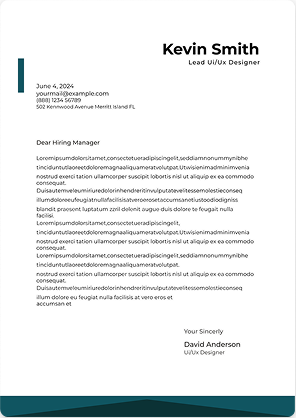
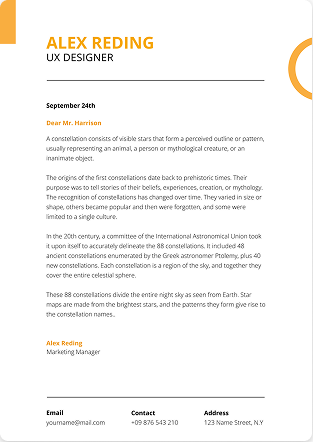
Retail Operations Manager Cover Letter Template
Dear VP of Retail Operations & Executive Search Committee,
I am writing to express my strong interest in the Retail Operations Manager position. With over 9 years of experience optimizing multi-store retail logistics, inventory controls, and operating budgets across 30+ store networks generating up to $75M annually, I specialize in engineering efficient, scalable retail operations.
In my current position, I direct regional store operations, achieving a 22% reduction in operating expenses while driving inventory stock accuracy to 99.6% through RFID deployment. My experience overseeing new store openings, SAP Retail implementations, and loss prevention programs consistently delivers bottom-line margin expansion.
I welcome the opportunity to discuss how my operational strategy background and Lean Six Sigma expertise can optimize store performance across your retail network. Thank you for your consideration.
Sincerely,
[Your Name]
Retail Operations Manager | LSSBB Certified
Retail Operations Manager Interview Preparation & Top Questions
Q: How do you standardize operational SOP compliance across 25 geographically dispersed retail locations?
Answer Strategy: Explain developing clear visual SOP manuals, implementing digital store audit checklists (e.g. via Reflexis/Workday), conducting unannounced quarterly operational audits, and tying manager performance bonuses to audit compliance scores.
Q: Describe a time you resolved a major distribution bottleneck that threatened out-of-stock events during peak season.
Answer Strategy: Detail identifying receiving delays at regional distribution centers, rerouting critical SKUs via cross-docking, implementing daily store-level safety stock alerts, and coordinating with logistics carriers to add temporary dedicated routes.
Salary Benchmarks & Executive Compensation
Compensation for Retail Operations Managers reflects multi-store scope, store network revenue, and enterprise logistics complexity:
- Single Store / District Operations Manager: $75,000 – $92,000 / year
- Regional Retail Operations Manager (10–30 Stores): $95,000 – $125,000 / year base + 20% bonus
- Director / Senior Director of Retail Operations: $130,000 – $170,000+ / year base + executive equity
Frequently Asked Questions (FAQ) – 5 Core Career Questions
Q1: What is the difference between a Store Manager and a Retail Operations Manager?
A Store Manager leads daily sales, staff, and customer interactions for a single storefront. A Retail Operations Manager focuses on systems, supply chain, SOP frameworks, and operational consistency across multi-store networks.
Q2: What key metrics prove operational success on a CV?
OPEX percentage reduction, inventory accuracy rate (%), shrink reduction (%), order fulfillment cycle time, store audit compliance scores (%), and new store opening lead times.
Q3: Which supply chain software should be featured?
SAP Retail, Oracle Retail ERP, Manhattan Associates WMS, Blue Yonder, Kronos Workforce Central, and Workday.
Q4: Is Lean Six Sigma valuable for retail operations resume?
Yes, Lean Six Sigma Green or Black Belt certifications show expertise in eliminating stockroom waste, reducing labor overage, and streamlining store replenishment processes.
Q5: How do I highlight omni-channel retail logistics experience?
Detail implementing ship-from-store networks, Buy-Online-Pick-Up-In-Store (BOPIS) staging areas, RFID inventory tagging, and reverse logistics return management.