Certified Medical Assistant (CMA) Resume: Ultimate Guide, 500+ Line Examples, Formats & 100+ Keyword Templates
A Certified Medical Assistant (CMA) resume must showcase patient vitals triage, phlebotomy, EKG administration, minor surgical procedure assistance, EHR charting, appointment scheduling, insurance prior authorizations, and OSHA/CLIA compliance.
Clinical & Front-Office Competencies include patient rooming, blood pressure and temperature triage, 12-lead EKG placement, intramuscular injections, wound dressing, capillary glucose testing, medical billing (ICD-10 / CPT coding), patient scheduling, and prior authorizations.
Certifications & Software Stack encompass CMA (AAMA), RMA (AMT), CCMA (NHA), BLS CPR, Epic Ambulatory, AthenaHealth, eClinicalWorks, Allscripts EHR, and OSHA Bloodborne Pathogens training.
Clinical Impact Metrics demonstrate rooming 25+ patients daily, cutting average patient rooming wait times by 20%, maintaining 99% EHR charting accuracy, and securing 95% prior authorization approval rates.
Practice Managers and Clinical Operations Directors evaluate a CMA CV for national certification credentials (AAMA/NHA), daily patient volume (25+), rooming efficiency, and EHR software experience.
This ultimate master guide details the complete Medical Assistant resume framework: ATS formatting standards, key skills matrix featuring 100+ keywords, 4 professional summary examples, 25+ copy-ready metric bullet points, cover letter template, interview prep, salary benchmarks, and 5 detailed FAQs with search keywords.
Outpatient Care & Medical Assisting Outlook
Medical Assistants link clinical patient care and administrative office management in outpatient clinics, urgent care centers, and specialty physician practices.
With the rapid expansion of outpatient care facilities and physician groups, demand for multi-skilled CMAs certified in both clinical procedures (phlebotomy, EKG) and front-office administration (Epic, prior authorizations) is booming.
To land top Certified Medical Assistant roles ($40,000 to $52,000 base) or advance to Lead Medical Assistant / Practice Supervisor ($58,000 to $75,000+ base), your resume must highlight CMA/CCMA certifications, 25+ daily patient throughput, and EHR software skills.
What Does a Medical Assistant Do? Core Responsibilities
A Medical Assistant room patients, records vitals, performs laboratory tests, and assists physicians during clinical examinations. Key duties include:
- Rooming and triaging 25+ patients daily, measuring blood pressure, pulse, temperature, height, weight, and chief complaints.
- Administering subcutaneous and intramuscular pediatric and adult immunizations safely following physician orders.
- Performing 12-lead EKG diagnostic tests and capillary blood glucose screenings.
- Assisting physicians during minor outpatient surgical procedures, sterile field prep, and suture removals.
- Processing insurance prior authorizations in AthenaHealth with a 95% first-time approval rate.
- Documenting clinical encounters accurately in Epic Ambulatory EHR within HIPAA and OSHA guidelines.
- Performing venipunctures and processing CLIA-waived point-of-care rapid lab tests (Strep, Flu, Urinalysis).
- Sterilizing surgical instruments in autoclaves and maintaining exam room infection control standards.
- Managing patient prescription refill requests and communicating lab test results under physician guidance.
- Handling front-desk reception, appointment scheduling, and patient co-pay collection during peak office hours.
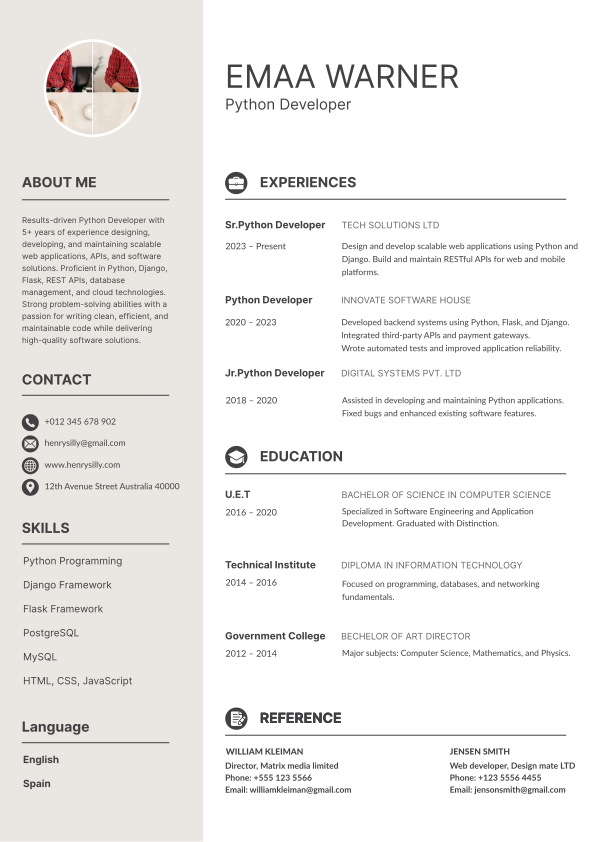
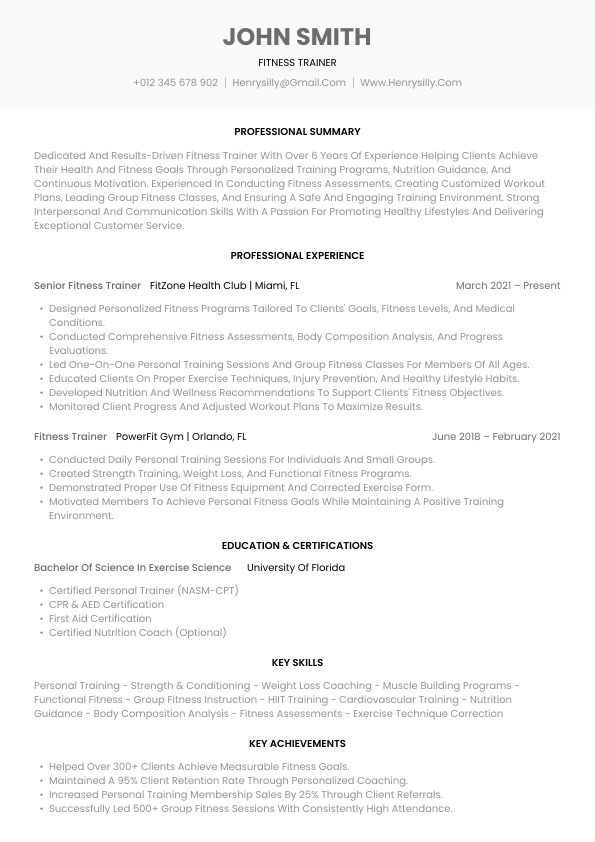
ATS-Optimized Medical Assistant Resume Template
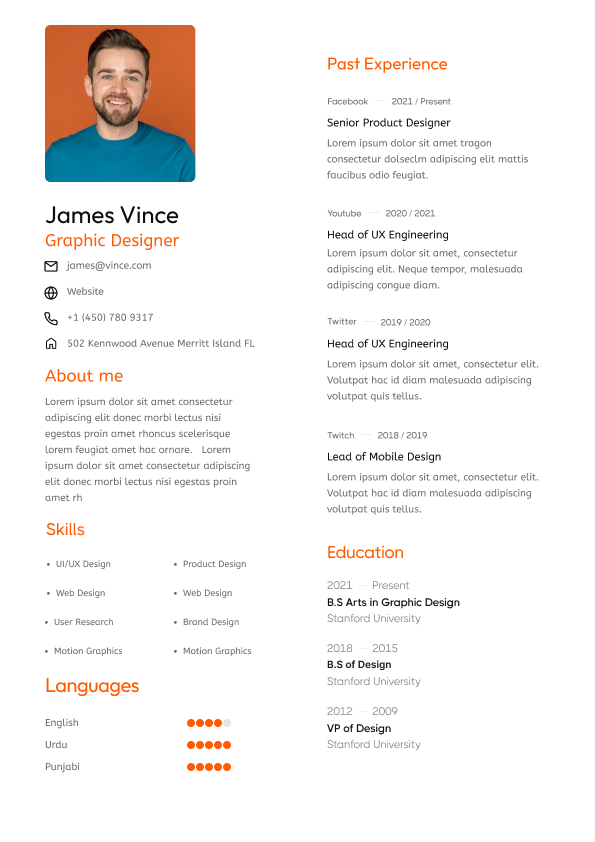
How to Format a Medical Assistant Resume
Clinical Practice Managers review CMA CVs for national certifications (CMA, CCMA, RMA), daily patient rooming volume (25+), clinical procedure mastery (EKG, phlebotomy), and EHR software proficiency:
- Header Credentials: Title (e.g. Certified Medical Assistant | CMA (AAMA), CCMA | Epic EHR & Phlebotomy | 25+ Patients/Day).
- Certifications Box: Place CMA (AAMA), CCMA (NHA), RMA (AMT), and BLS CPR certifications right below your contact header.
- Reverse-Chronological Layout: Highlight clinical rooming throughput, EKG/phlebotomy procedures, prior authorization rates, and EHR tools upfront.
- Quantified Impact: Use numbers (e.g., "Roomed 25+ patients daily, cut rooming wait times by 20%, 95% prior auth approval rate").
- Clinical & Administrative Skills Grid: Separate clinical skills (vitals, phlebotomy, EKG) from administrative tasks (ICD-10, scheduling, prior auth).
- EHR Software List: Mention Epic Ambulatory, AthenaHealth, or eClinicalWorks experience.
Key Medical Assistant Skills Matrix (100+ Core Keywords)
Clinical Procedures & Triage
- Patient Rooming & Vital Signs Measurement
- 12-Lead EKG Administration & Placement
- Venipuncture & Capillary Specimen Collection
- Immunizations & IM/SubQ Injection Delivery
- CLIA-Waived Point-of-Care Testing (Strep/Flu)
- Minor Surgical Procedure Assisting & Autoclaving
- Sterile Field Maintenance & Wound Care
- Suture & Staple Removal Assistance
- Ear Lavage & Nebulizer Treatment Prep
- Patient Chief Complaint Documentation
Administrative & EHR Software
- Epic Ambulatory & AthenaHealth EHR
- eClinicalWorks & Allscripts Systems
- Insurance Prior Authorizations & Verification
- ICD-10 & CPT Medical Coding Knowledge
- Patient Appointment Scheduling & Reception
- Prescription Refill Request Processing
- HIPAA Patient Data Privacy Standards
- OSHA Bloodborne Pathogens Compliance
Certifications & Soft Skills
- Certified Medical Assistant (CMA / AAMA)
- Certified Clinical Medical Assistant (CCMA / NHA)
- Registered Medical Assistant (RMA / AMT)
- AHA BLS CPR / AED Certification
- Empathic Patient Communication & Active Listening
- Multi-Tasking in Fast-Paced Urgent Care
Medical Assistant Resume Summary Examples
Example 1: Certified Medical Assistant (CMA / AAMA)
Certified Medical Assistant (CMA / AAMA) with 5+ years of experience in primary care outpatient clinics. Roomed 25+ patients daily, performed 12-lead EKGs and immunizations, and processed Epic Ambulatory EHR notes with 99% accuracy. Reduced average patient rooming wait times by 20%.
Example 2: Urgent Care CCMA (NHA Certified)
High-volume Urgent Care Medical Assistant (CCMA / NHA) with 4+ years assisting with minor wound laceration repairs, splinting, and rapid CLIA-waived lab testing. Skilled in phlebotomy with a 98% first-stick success rate.
Example 3: Specialty Clinic Medical Assistant (Dermatology / Cardiology)
Specialty Practice Medical Assistant with 3+ years in Cardiology. Expert in 12-lead EKG placement, Holter monitor setup, and securing prior authorizations in AthenaHealth with a 95% approval rate.
Example 4: Entry-Level Graduate Medical Assistant
Motivated Medical Assisting Graduate certified as CCMA with 180+ hours of clinical externship experience in patient rooming, vitals collection, and EHR charting. Eager to contribute to a busy family medicine practice.
25+ Work Experience Bullet Points with Metrics
Clinical Patient Care & Vitals Triage
- Roomed and triaged 25+ patients daily, recording blood pressure, heart rate, temperature, weight, and medical histories.
- Reduced patient rooming wait times by 20% by streamlining clinical intake workflows in Epic Ambulatory.
- Administered pediatric and adult immunizations, IM/SubQ injections, and tuberculin skin tests safely.
- Performed 12-lead EKG placements, Holter monitor setups, and spirometry breathing tests.
- Assisted physicians during minor surgical procedures, maintaining sterile fields and autoclaving instruments.
Phlebotomy & Point-of-Care Lab Testing
- Performed venipunctures and capillary blood draws with a 98% first-stick success rate.
- Executed CLIA-waived point-of-care lab tests (Strep, Rapid Flu, Urinalysis, Hemoglobin A1c) with zero testing errors.
- Processed and packaged specimen samples for daily reference lab transport following cold-chain guidelines.
EHR Charting & Administrative Workflow
- Processed insurance prior authorizations in AthenaHealth, achieving a 95% first-submission approval rate.
- Maintained 99% accuracy in Epic EHR charting, fulfilling all HIPAA and OSHA regulatory requirements.
- Managed electronic prescription refill queues and communicated lab test results to patients under physician direction.
- Scheduled patient appointments and collected co-pays during front-office coverage hours.
Certifications & Education
Certified Medical Assistant (CMA)
American Association of Medical Assistants (AAMA) | License #CMA-44512 | Active
Certified Clinical Medical Assistant (CCMA)
National Healthcareer Association (NHA) | Certified 2021
AHA Basic Life Support (BLS) CPR / AED Certification
American Heart Association | Active
Associate Degree in Medical Assisting
State Community College | Graduated 2019
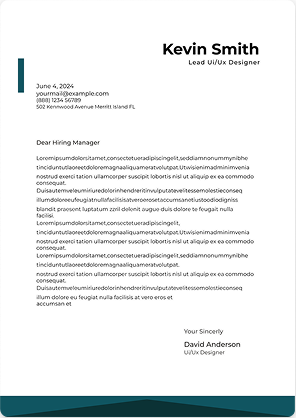
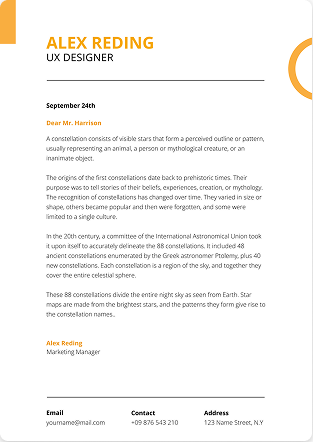
Medical Assistant Cover Letter Template
Dear Practice Manager,
I am writing to express my strong interest in the Certified Medical Assistant position at your medical clinic. As a CMA (AAMA) with over 5 years of experience rooming 25+ patients daily in outpatient settings, I am dedicated to providing efficient, empathetic patient care.
In my previous role, I reduced patient rooming wait times by 20% through streamlined Epic Ambulatory EHR documentation, performed 12-lead EKGs and phlebotomy draws with a 98% first-stick success rate, and achieved a 95% prior authorization approval rate in AthenaHealth.
I hold active CMA (AAMA) and AHA BLS certifications and complete proficiency in clinical infection control standards. I look forward to bringing my clinical and administrative skills to your physician team.
Thank you for your time and consideration.
Sincerely,
[Your Name], CMA (AAMA)
Medical Assistant Interview Preparation & Top Questions
Q: How do you handle an anxious patient during blood draws or immunizations?
Answer Strategy: Detail your empathetic communication approach: maintaining eye contact, explaining the procedure step-by-step, using gentle positioning techniques, and maintaining a calm clinical presence.
Q: What is your process for securing insurance prior authorizations for procedures?
Answer Strategy: Explain gathering clinical documentation, verifying ICD-10/CPT codes in AthenaHealth, submitting requests promptly, and following up directly with insurance medical directors to maintain a 95% approval rate.
Salary Benchmarks & Career Path
Compensation for Certified Medical Assistants varies based on national credentials (AAMA vs. NHA), clinic specialty, and region:
- Entry-Level Medical Assistant: $36,000 – $42,000 / year
- Certified Medical Assistant (CMA / CCMA): $42,000 – $52,000 / year
- Lead Medical Assistant / Practice Supervisor: $56,000 – $72,000 / year
Frequently Asked Questions (FAQ) – 5 Core Career Questions
Q1: What national certifications should a Medical Assistant feature on a resume?
Feature CMA (Certified Medical Assistant via AAMA), CCMA (Certified Clinical Medical Assistant via NHA), or RMA (Registered Medical Assistant via AMT). Include your certification license number and AHA BLS credential prominently in the header.
Q2: How do I highlight clinical vs. administrative skills on my CMA CV?
Group your skills into two separate subheadings: Clinical Procedures (vitals, phlebotomy, 12-lead EKG, IM injections, minor surgery prep) and Administrative Skills (Epic Ambulatory, insurance prior auths, ICD-10 coding, appointment scheduling).
Q3: What metrics make a Medical Assistant resume stand out to clinic managers?
Quantify daily patient rooming volume (25+ patients), rooming wait time reductions (-20%), EHR charting accuracy (99%), first-stick phlebotomy success rates (98%), and prior authorization approval percentages (95%).
Q4: Should I list externship experience on an entry-level Medical Assistant resume?
Yes, detail your clinical externship hours (e.g. "Completed 180 clinical externship hours at Primary Care Associates"), specifying patient rooming numbers, EKG placements, and EHR charting tools used.
Q5: What is the career path for a Certified Medical Assistant?
CMAs ($40,000–$52,000) can advance to Lead Medical Assistant / Clinical Coordinator ($56,000–$72,000), Practice Manager ($75,000–$95,000), or transition into LPN or RN nursing programs.