Supply Chain Analyst Resume: Ultimate Guide, 500+ Line Examples, Formats & 100+ Keyword Templates
A Supply Chain Analyst resume must showcase proficiency in data analytics, demand forecasting, inventory optimization, procurement modeling, supplier performance management, SQL/Python analytics, and ERP supply chain modules.
Supply Chain Analytics & Modeling involve demand planning, safety stock calculations, S&OP forecasting, SKU rationalization, supplier scorecard evaluation, freight spend analysis, bottleneck identification, and network optimization modeling.
Technical Stack & Data Science include Advanced Excel (VBA, Power Query, DAX), SQL (PostgreSQL, Snowflake, BigQuery), Python (pandas, numpy, scikit-learn), Tableau, Power BI, SAP IBP/APO, Oracle SCM Cloud, and Kinaxis RapidResponse.
Quantifiable Business Impact metrics demonstrate reducing holding costs by $1.2M, optimizing safety stock levels cutting stockouts by 35%, and improving forecast accuracy from 78% to 92%.
Directors of Supply Chain Analytics and Operations VPs evaluate a CV for SQL/BI technical depth, financial savings metrics ($1M+), and forecast accuracy gains (+14%).
This ultimate master guide details the complete Supply Chain Analyst resume framework: ATS formatting standards, key skills matrix featuring 100+ keywords, 4 professional summary examples, 25+ copy-ready metric bullet points, cover letter template, interview prep, salary benchmarks, and 5 detailed FAQs with search keywords.
Supply Chain Analytics Industry Outlook
Supply Chain Analysts extract actionable data insights from global logistics networks, construct mathematical demand models, and optimize inventory holding costs to protect corporate profit margins.
With enterprise supply chains increasingly driven by predictive analytics, machine learning demand forecasting, and real-time inventory visibility tools, data-savvy analysts are among the most sought-after professionals in logistics.
To land competitive Supply Chain Analyst positions ($72,000 to $95,000 base) or advance to Supply Chain Analytics Manager ($110,000 to $145,000+ base), your resume must highlight SQL/Python capabilities, Tableau/Power BI dashboards, $1M+ inventory savings, and SAP IBP / Kinaxis mastery.
What Does a Supply Chain Analyst Do? Core Responsibilities
A Supply Chain Analyst analyzes vendor lead times, forecasts demand trends, and creates executive dashboards. Key duties include:
- Building SQL data pipelines and Power BI dashboards to track global supplier lead times and OTIF rates.
- Improving demand forecast accuracy from 78% to 92% using ARIMA time-series modeling in Python.
- Optimizing safety stock levels across 8 distribution centers, reducing annual inventory holding costs by $1.2M.
- Evaluating vendor scorecard performance, identifying shipping bottlenecks that cut lead times by 15 days.
- Collaborating with executive leadership during monthly S&OP (Sales and Operations Planning) consensus meetings.
- Automating weekly inventory depletion reports in Excel VBA, saving 12 manual reporting hours per week.
- Analyzing freight spend structures to mitigate tariff impacts and carrier rate increases.
- Executing SKU rationalization studies to eliminate non-performing inventory items and free up working capital.
- Modeling distribution network scenarios using Supply Chain Guru to optimize fulfillment center locations.
- Auditing 3PL freight billing data, discovering and recovering $85,000 in billing overcharges annually.
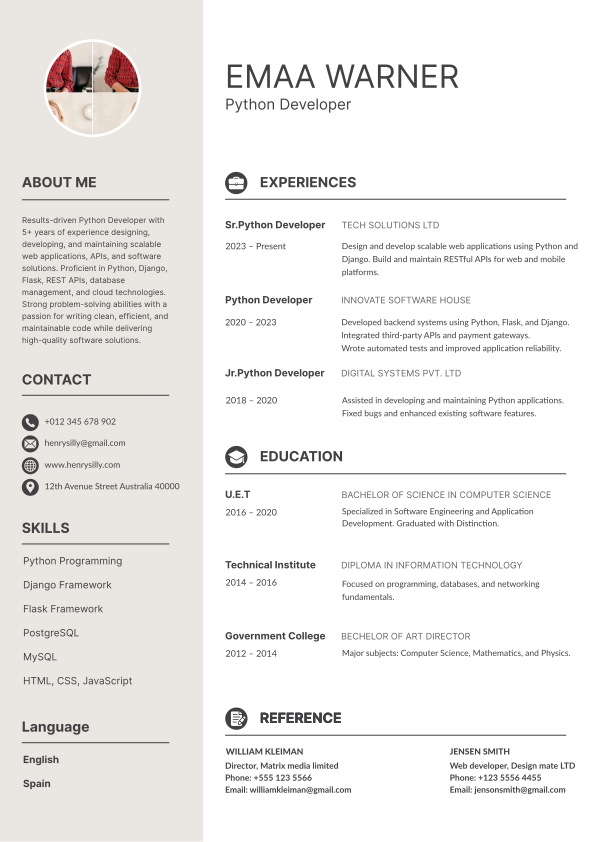
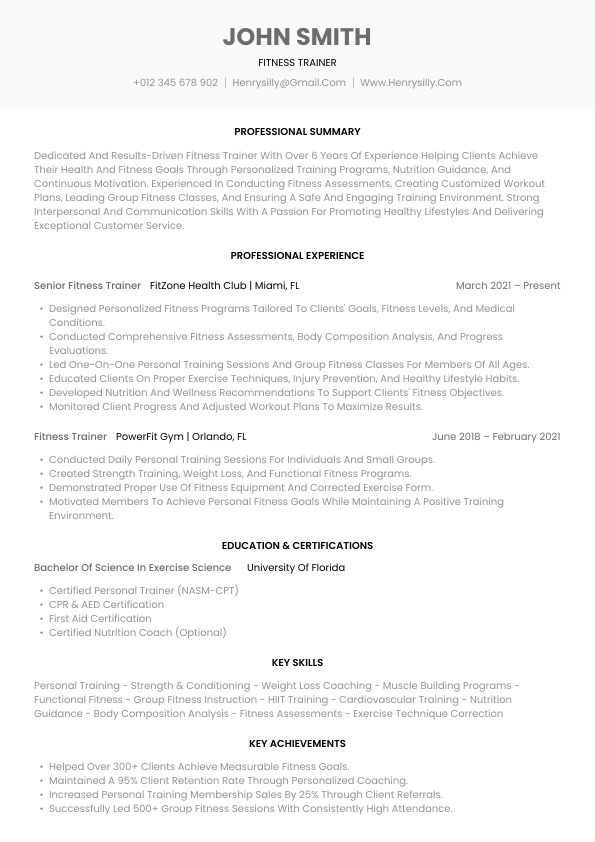
ATS-Optimized Supply Chain Analyst Resume Template
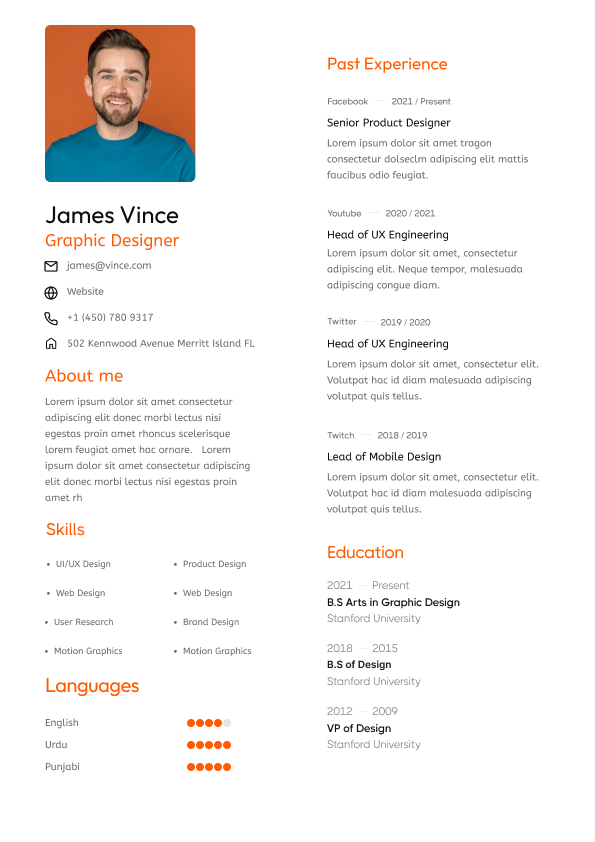
How to Format a Supply Chain Analyst Resume
Hiring Managers look for SQL/Python technical skills, BI dashboarding expertise, forecast accuracy improvements (+14%), and cost reduction figures ($1M+):
- Header Credentials: Title (e.g. Senior Supply Chain Analyst | SQL & Power BI | Demand Forecasting | -$1.2M Holding Costs).
- Reverse-Chronological Layout: Highlight technical languages (SQL, Python), ERP tools (SAP IBP), and financial savings upfront.
- Typography & Spacing: Clean sans-serif typography, 10–11pt body text, and distinct section headers.
- Quantified Analytical Achievements: State exact metrics (e.g., "Increased forecast accuracy from 78% to 92%, cut stockouts by 35%, saved $1.2M").
- Technical Stack Badges: Dedicated section highlighting SQL dialects (Snowflake, PostgreSQL), Python libraries, and BI platforms.
- Certifications: Include APICS CSCP, CPIM, or CSCA certifications prominently.
Key Supply Chain Analyst Skills Matrix (100+ Core Keywords)
Analytics & Demand Planning
- Demand Forecasting & Time-Series Modeling
- S&OP (Sales and Operations Planning)
- Safety Stock & EOQ Calculation
- SKU Rationalization & ABC Inventory Analysis
- Supplier Scorecards & OTIF Tracking
- Freight Spend & Tariff Impact Analysis
- Network Bottleneck Identification
- Lead Time Reduction Modeling
- Inventory Turn Optimization
- Vendor Lead Time Auditing
Technical & Software Stack
- SQL (PostgreSQL, Snowflake, BigQuery)
- Python (Pandas, NumPy, Scikit-learn)
- Power BI & Tableau Dashboard Development
- Advanced Excel (VBA, Power Query, DAX)
- SAP IBP / APO & SAP S/4HANA
- Oracle SCM Cloud & Kinaxis RapidResponse
- Llama AI / Supply Chain Guru Network Design
- ETL Pipeline Construction
Procurement & Logistics
- Procurement Spend Analytics
- 3PL Performance Auditing
- Customs & Import Duties Compliance
- Carrier Rate Structure Modeling
- Inventory Turn Rate Optimization
- Supplier Lead Time Reduction
- Cost of Goods Sold (COGS) Analysis
Certifications & Business Acumen
- APICS CSCP / CPIM Certified
- Certified Supply Chain Analyst (CSCA)
- Executive Stakeholder Presentation
- Cross-Functional Team Collaboration
- Financial Modeling & ROI Analysis
- Project Management (PMP / Agile)
Supply Chain Analyst Resume Summary Examples
Example 1: Senior Supply Chain Analyst
Analytical Supply Chain Analyst with 5+ years of experience leveraging SQL, Power BI, and SAP IBP to optimize global inventory operations. Improved demand forecast accuracy from 78% to 92% and identified inventory holding cost reductions of $1.2M across 8 distribution centers.
Example 2: Demand Planning Analyst
Data-driven Demand Planning Analyst with 4+ years using Python and Kinaxis RapidResponse to forecast SKU consumption for FMCG products. Reduced stockout incidents by 35% and presented monthly S&OP consensus plans to executive leadership.
Example 3: Logistics Data Analyst
Logistics Data Analyst with 3+ years creating automated Snowflake SQL pipelines and Tableau dashboards to track 3PL carrier lane performance. Reduced transit lead times by 15 days and recovered $85,000 in freight billing overcharges.
Example 4: Entry-Level Supply Chain Analyst
Analytical Supply Chain Graduate certified in APICS CSCA, possessing advanced Excel VBA and SQL skills. Demonstrated ability to model safety stock levels and optimize warehouse bin slotting during internship projects.
25+ Work Experience Bullet Points with Metrics
Demand Forecasting & S&OP Analytics
- Improved demand forecast accuracy from 78% to 92% using ARIMA and Prophet time-series algorithms in Python.
- Led monthly S&OP consensus forecasting meetings with sales, finance, and operations VPs across 5 business units.
- Reduced finished goods stockout incidents by 35% while increasing inventory turnover rate from 4.2x to 6.8x.
- Modeled promotional demand spikes for e-commerce product launches, preventing $450,000 in lost revenue.
- Automated baseline demand updates in SAP IBP, cutting monthly forecasting cycle times by 4 days.
Inventory Optimization & Financial Savings
- Re-calculated safety stock parameters for 10,000+ SKUs, reducing annual inventory holding costs by $1.2M.
- Executed ABC inventory classification and SKU rationalization, eliminating 400 obsolete SKUs to free up working capital.
- Designed dynamic safety stock models accounting for supplier lead time variability and seasonal demand shifts.
- Audited slow-moving inventory reserves, recovering $250,000 through vendor buy-backs and liquidation sales.
SQL, Python & BI Dashboarding
- Developed SQL automated data pipelines in Snowflake connecting ERP data to real-time Power BI executive dashboards.
- Built automated freight spend tracking dashboards in Tableau, identifying carrier lane cost anomalies.
- Automated weekly stock-out risk reporting scripts in Excel VBA, saving 12 manual analyst hours per week.
- Created Python predictive algorithms to forecast global shipping container delays during port congestions.
Logistics & Network Optimization
- Utilized Supply Chain Guru network design software to simulate distribution center locations, saving $600K in transit freight.
- Evaluated 3PL vendor scorecard performance metrics, negotiating lead time reductions of 15 days with key suppliers.
- Audited 3PL freight invoices using automated SQL scripts, recovering $85,000 in billing overcharges annually.
- Analyzed international shipping tariff changes, recommending alternate origin ports to lower import duties by 8%.
Certifications & Education
APICS Certified in Planning and Inventory Management (CPIM)
Association for Supply Chain Management (ASCM) | Active
Certified Supply Chain Professional (CSCP)
ASCM | Active Credential
Bachelor of Science in Industrial Engineering / Operations Research
State University | Graduated 2018
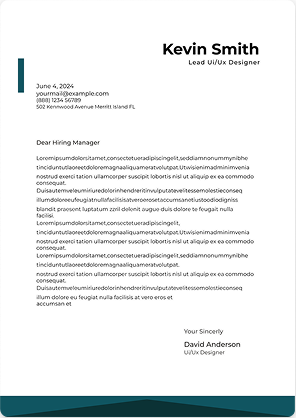
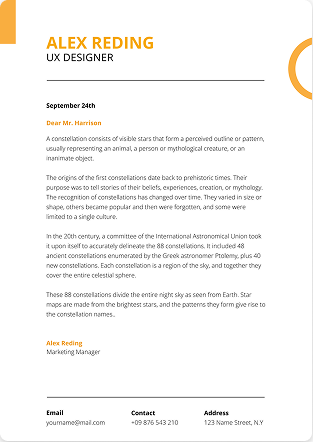
Supply Chain Analyst Cover Letter Template
Dear Hiring Director,
I am writing to express my strong interest in the Supply Chain Analyst position at your company. With over 5 years of analytical experience in demand forecasting, inventory optimization, and SQL/Python data modeling, I have consistently transformed supply chain data into multi-million dollar cost savings.
In my previous role at Apex Global Logistics, I built automated SQL data pipelines in Snowflake and Power BI dashboards that improved forecast accuracy from 78% to 92%. Furthermore, by re-calculating safety stock parameters in SAP IBP, I reduced annual inventory holding costs by $1.2M while cutting stockouts by 35%.
I hold APICS CPIM and CSCP certifications, along with advanced proficiency in Python, Tableau, and S&OP consensus planning. I look forward to applying my analytical skills to optimize your inventory performance and carrier logistics.
Thank you for your time and consideration.
Sincerely,
[Your Name]
Supply Chain Analyst Interview Preparation & Top Questions
Q: How do you calculate safety stock levels when demand and lead times fluctuate?
Answer Strategy: Detail your statistical safety stock formula incorporating standard deviation of demand, average lead time, lead time variance, and desired service level Z-score.
Q: How do you approach an S&OP consensus meeting when sales and finance forecasts disagree?
Answer Strategy: Explain how you use data-driven baseline models, historical sales bias analysis, and unconstrained demand data to facilitate alignment between sales and finance leadership.
Salary Benchmarks & Career Path
Compensation for Supply Chain Analysts varies based on SQL/Python technical skills, industry sector, and geographic region:
- Junior / Associate Supply Chain Analyst: $62,000 – $74,000 / year
- Senior Supply Chain Analyst / Demand Planner: $78,000 – $98,000 / year
- Supply Chain Analytics Manager / Director: $115,000 – $155,000+ / year
Frequently Asked Questions (FAQ) – 5 Core Career Questions
Q1: What technical skills are essential for a Supply Chain Analyst resume?
Essential technical skills include SQL (Snowflake, PostgreSQL), Python or R for time-series modeling, Power BI or Tableau for dashboarding, Advanced Excel (VBA, Power Query), and ERP modules like SAP IBP/APO, Oracle SCM, or Kinaxis RapidResponse.
Q2: How do I highlight financial savings on a supply chain analyst CV?
Quantify financial cost reductions prominently, such as "Reduced annual inventory holding costs by $1.2M through safety stock optimization" or "Recovered $85,000 in annual freight billing overcharges via automated SQL invoice auditing."
Q3: What certifications carry the most weight for Supply Chain Analysts?
APICS CPIM (Certified in Planning and Inventory Management), APICS CSCP (Certified Supply Chain Professional), and CSCA (Certified Supply Chain Analyst) certifications demonstrate expert mastery of supply chain frameworks.
Q4: What is S&OP and why should it be on my supply chain resume?
Sales and Operations Planning (S&OP) is the core business process that aligns executive sales forecasts with operational production capacity. Highlighting S&OP experience shows recruiters you possess cross-functional strategic influence.
Q5: What metrics make a Supply Chain Analyst resume stand out?
Recruiters prioritize metrics like forecast accuracy improvement percentage (+14%), inventory holding cost reductions ($1.2M), stockout reduction rates (-35%), inventory turnover increases (from 4.2x to 6.8x), and vendor lead time reductions (-15 days).